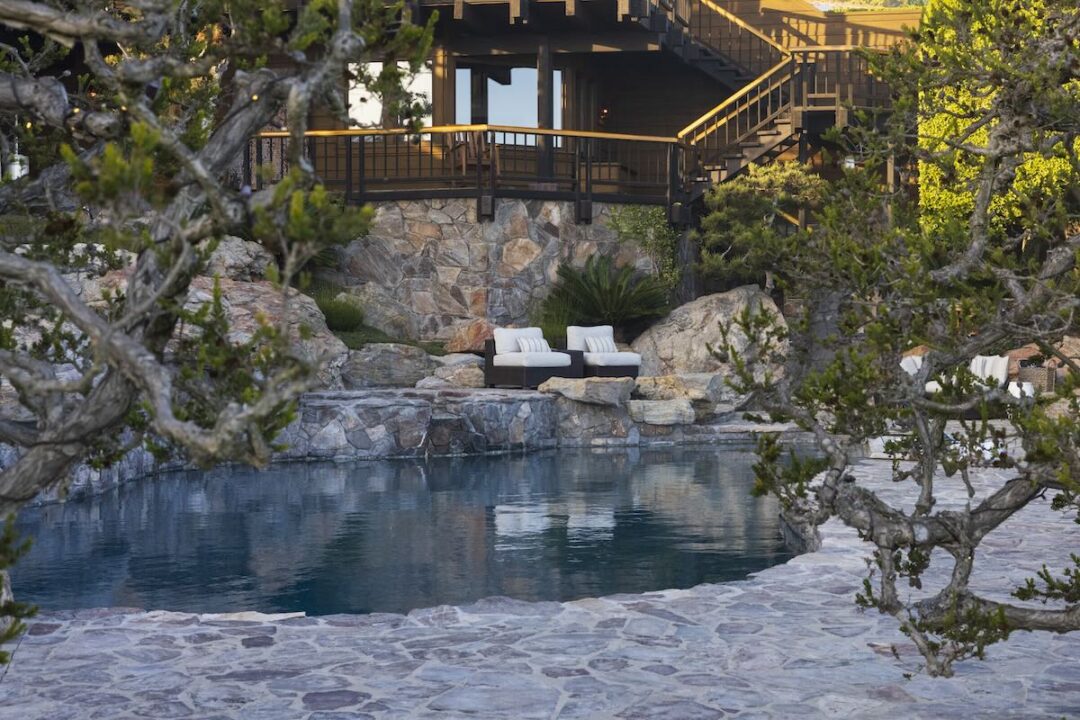
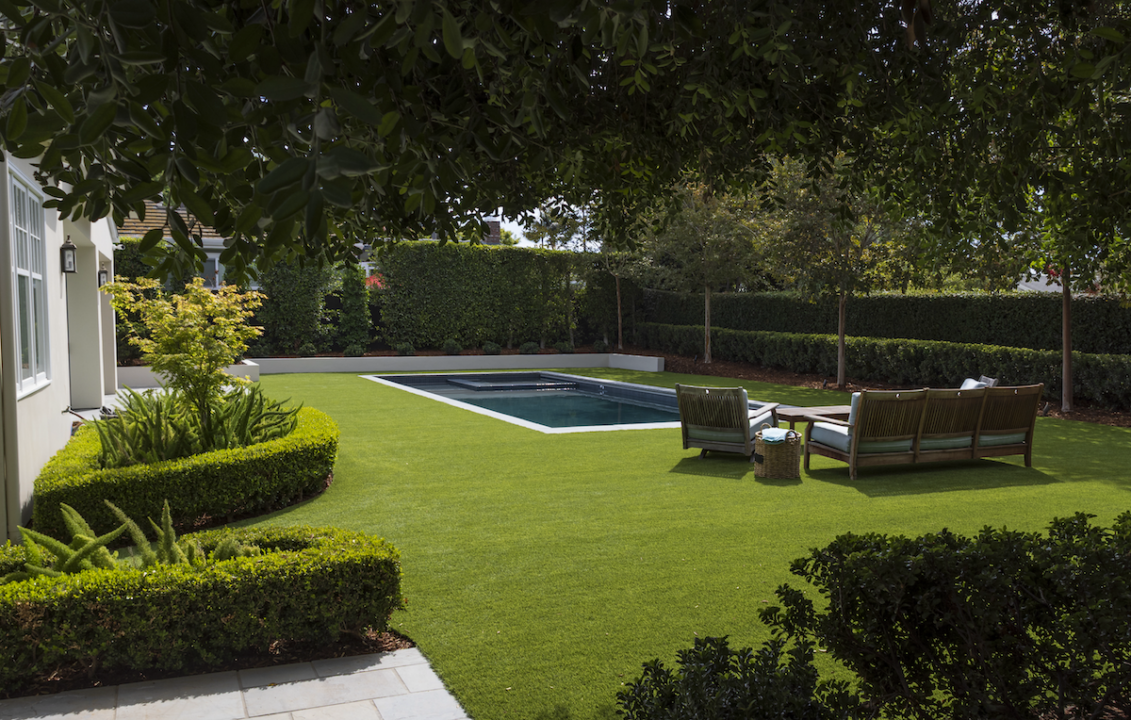
Landscape design tips for dog owners

Designing a Dog-Friendly Landscape Without Compromising Style

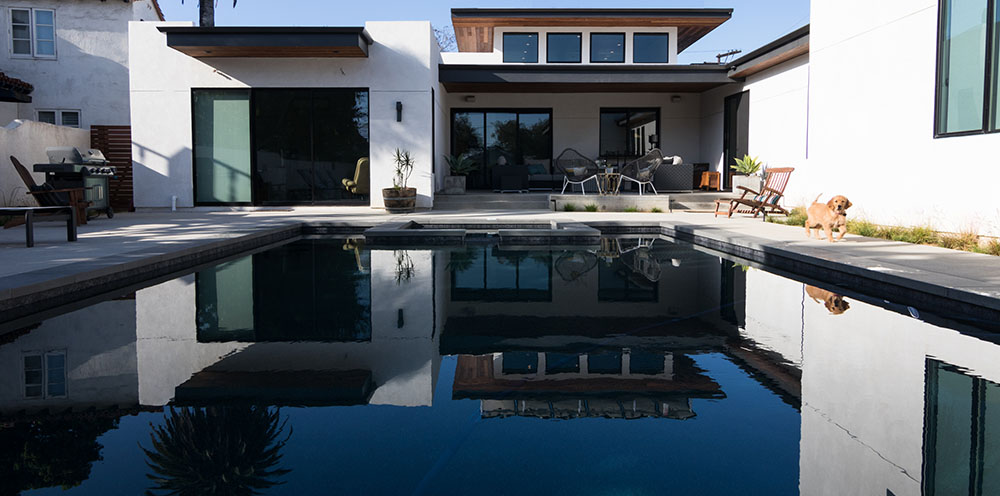
Creating a beautiful residential landscape is one thing—designing one that works seamlessly with a dog is another. The goal isn’t to choose between aesthetics and function, but to thoughtfully integrate both.

Start with Circulation
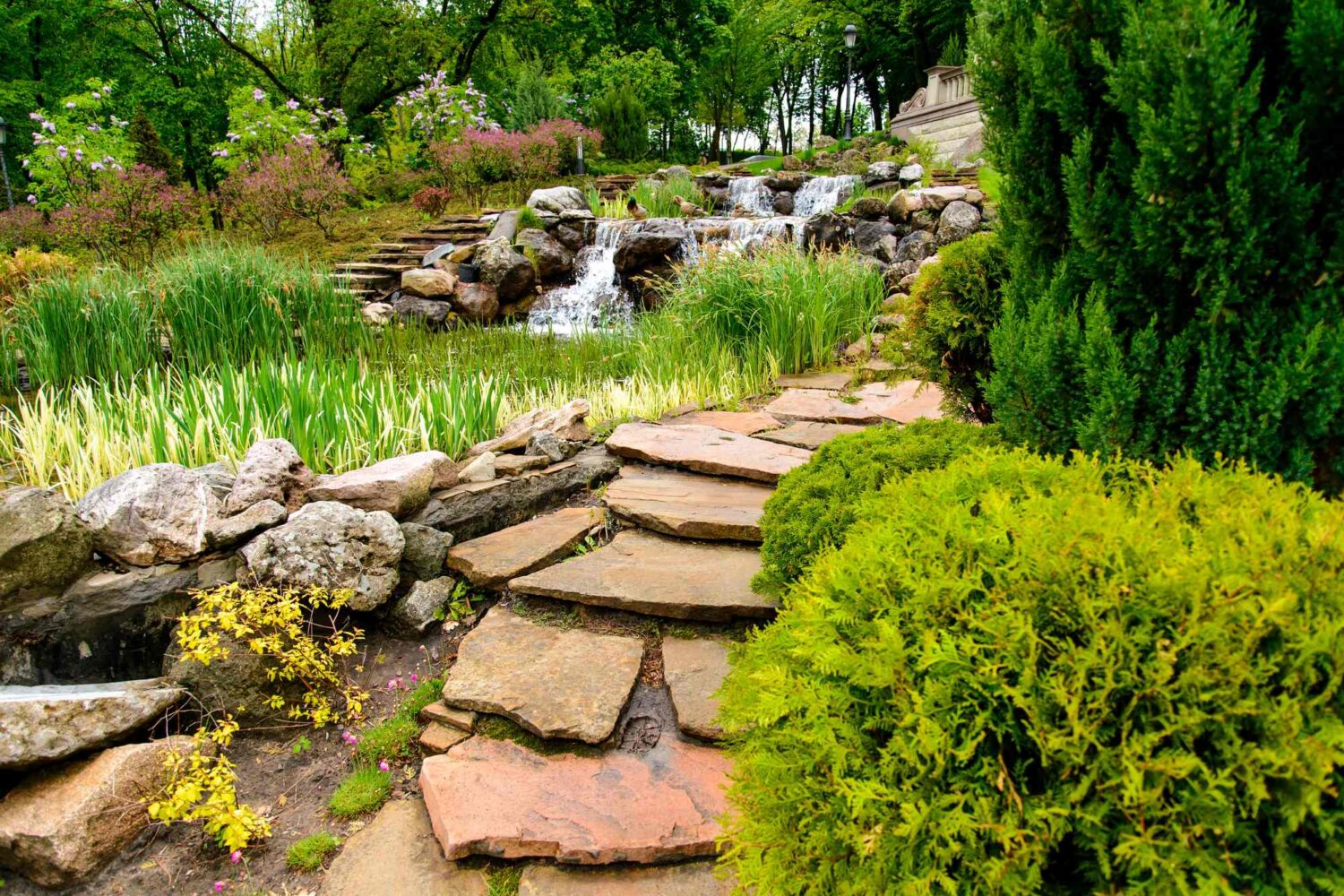
Dogs naturally create their own paths—especially along fence lines or between favorite lounging spots. Instead of fighting this behavior, design for it. Incorporate intentional pathways using decomposed granite, stepping stones, or durable turf areas to guide movement and prevent worn, muddy tracks across your lawn.

Choose Durable, Non-Toxic Materials
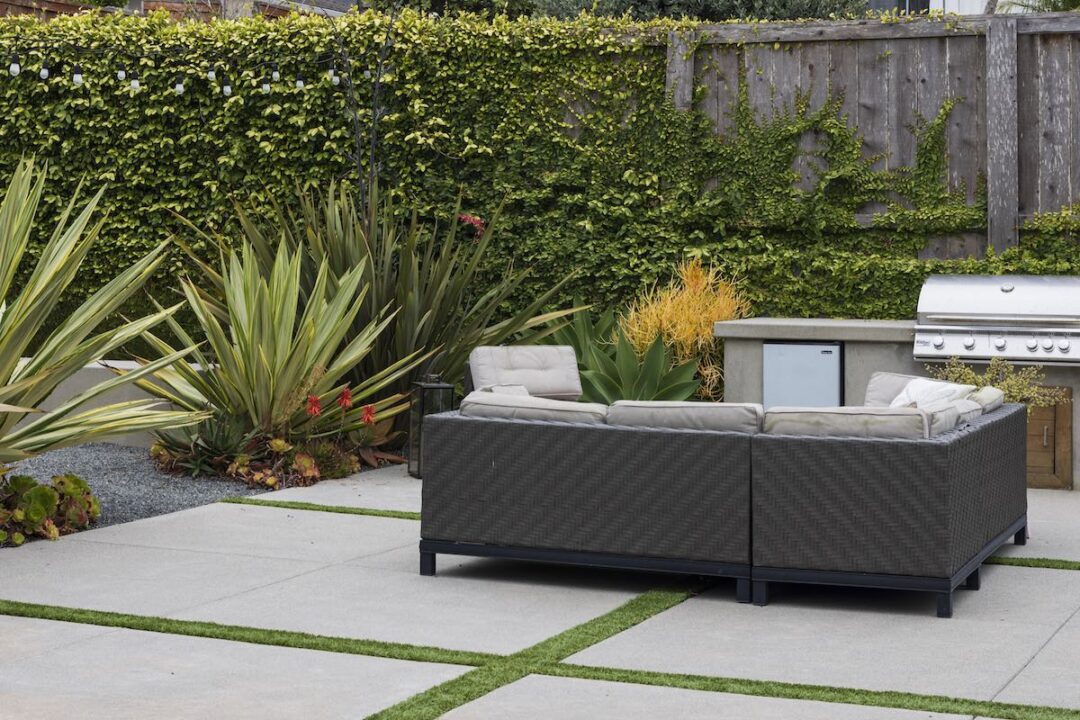
Not all plants or finishes are dog-friendly. Avoid toxic species and opt for hardy, resilient planting that can handle occasional wear. Groundcovers, ornamental grasses, and structured shrubs tend to perform well. For hardscape, materials like stabilized gravel, concrete pavers, or artificial turf can withstand high traffic while maintaining a clean, modern look.

Create Defined Zones
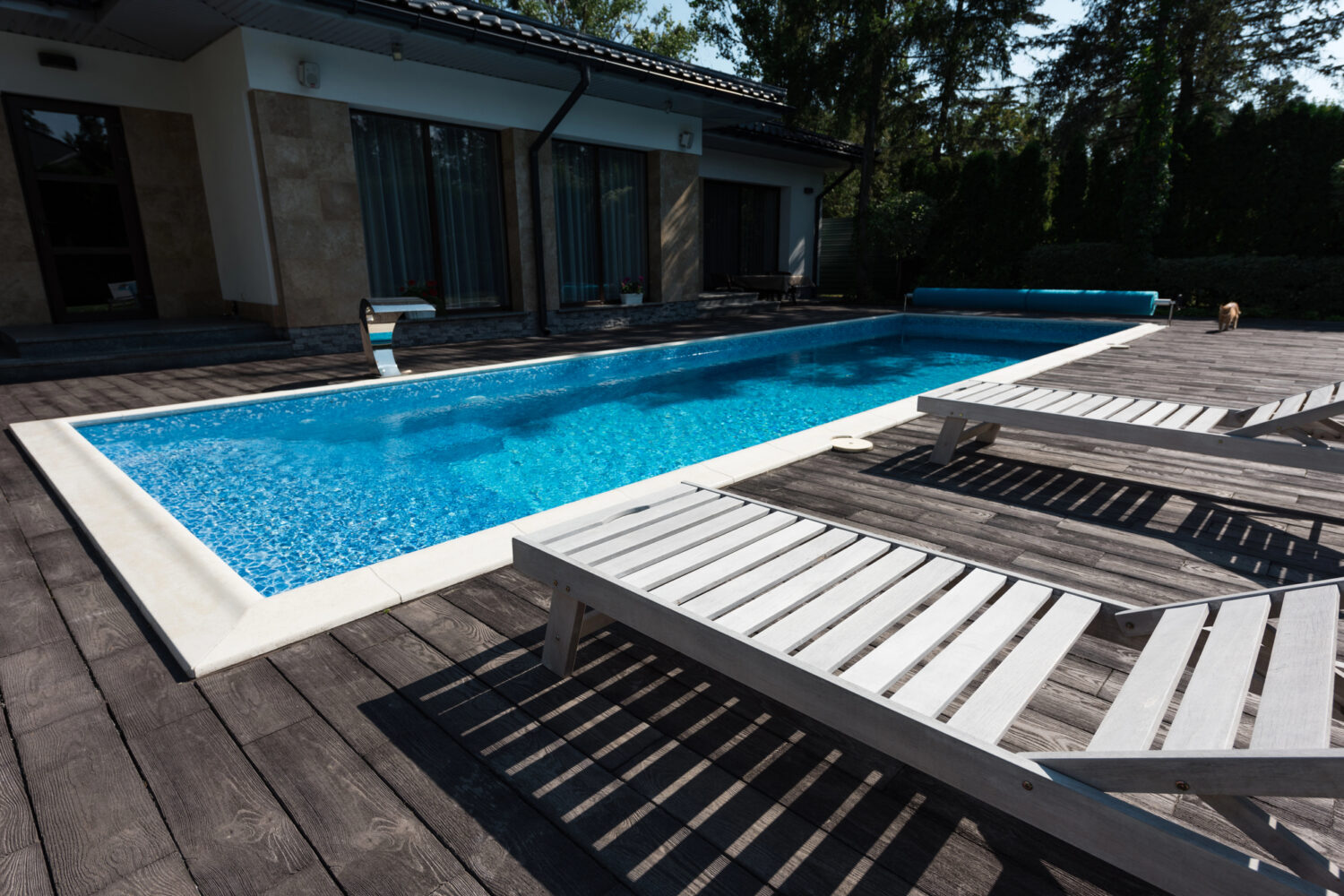
A well-designed yard should have purpose—and that applies to your dog, too. Consider creating a designated “dog zone” with shade, water access, and a comfortable surface like mulch or turf. This helps contain digging or play behavior to one area while preserving the rest of the landscape.

Think About Shade and Comfort
Especially in warmer climates like Southern California, shade is essential. Incorporate trees, pergolas, or strategic planting to create cool retreats throughout the day. Dogs will naturally gravitate toward these areas, reducing stress on sun-exposed planting beds.

Plan for Maintenance
A dog-friendly landscape should be easy to clean and maintain. Install proper drainage, avoid delicate materials in high-use zones, and think about hose access for quick rinses. Designing with maintenance in mind ensures the space stays beautiful over time.

Design That Works for Everyone
At its best, landscape design enhances how you live—and that includes your dog. With a thoughtful approach, you can create an outdoor space that feels elevated, intentional, and fully livable for every member of the household.

If you are interested in a dog friendly landscape design please feel free to reach out.

Natural Swimming Pools: A Modern, Sustainable Approach to Pool Design in San Diego

As homeowners become more conscious of sustainability and wellness, natural swimming pools are quickly gaining popularity. As in the name, natural swimming pools are made from all earth grown materials. There are no chemicals used in the process, and the filtration system is completely different from a traditional chlorine or salt water pool. Similar to a pond, the natural swimming pool uses plants and microbes to filter the water. This is becoming a popular choice as it gives an experience more as you are swimming in a lake/pond, versus a man made chemical pool. Plants and microbes in themselves have their own filtration system, which is why you don’t need chemicals to keep the pool clean. This is attracting people because the design has less responsibility when it comes to cleaning and maintenance.

Since there are no chemicals involved, owners of this pool style don’t need to spend the time or money. They do require some maintenance, like a robotic cleaner can be useful for functionality. When one owns a chlorine pool, there are monthly and annual costs involved when it comes to cleaning and service. To keep the pool at the best of its ability, one needs to perform weekly services such as brushing, skimming, vacuuming, and balancing chemicals. It is important to perform regular checks to make sure chlorine levels and pH are at the right level. Also, since most pools are outside, debris can get caught up inside the pool – things like leaves and sticks from the natural environment. Essentially, one will need to clean these out each week to maintain cleanliness. Some other things, is the filter system needs to be checked twice a year minimum to confirm its functionality. A few things that help assist with these matters are investing in a pool cover, and selectively running the pool pump during off-peak electricity hours. If you are interested in turning your conventional pool into a natural pool, this is all possible. Jeff Cleator can assess a design that works for your yard. In all, it is up to the pool owner which pool style works best for you and your home, but it is important to be knowledgeable about the benefits and disadvantages of all your options.

Natural Pool Designs: Key Features

Continuing on the benefits of natural pools, there is a lot of adaptability when it comes to making the design. There is no one size fits all, the design of it can be interchanged based on preference of style. If you want the pool to look like a real pond- this is completely possible. The layout, stones, and plants can be arranged in a way where it seems as if the pool was not man made at all. On the flip side, the natural swimming pool can be designed to look more like a modern pool. Just like most contemporary pools, a modern natural pool design can feature lines that are cleaner and more geometric in shapes like rectangles or squares. Some other features include incorporating a natural stone pool aesthetic, as they blend nicely into the environment. Using materials like limestone, granite, or locally sourced stone helps the pool feel cohesive with the environment while also increasing durability. In areas like La Jolla, where coastal views and organic architecture are highly valued, natural stone elements can elevate a backyard into a serene spa-like retreat. The use of stone not only enhances visual appeal but also helps regulate water temperature, making it ideal for San Diego’s warm climate.

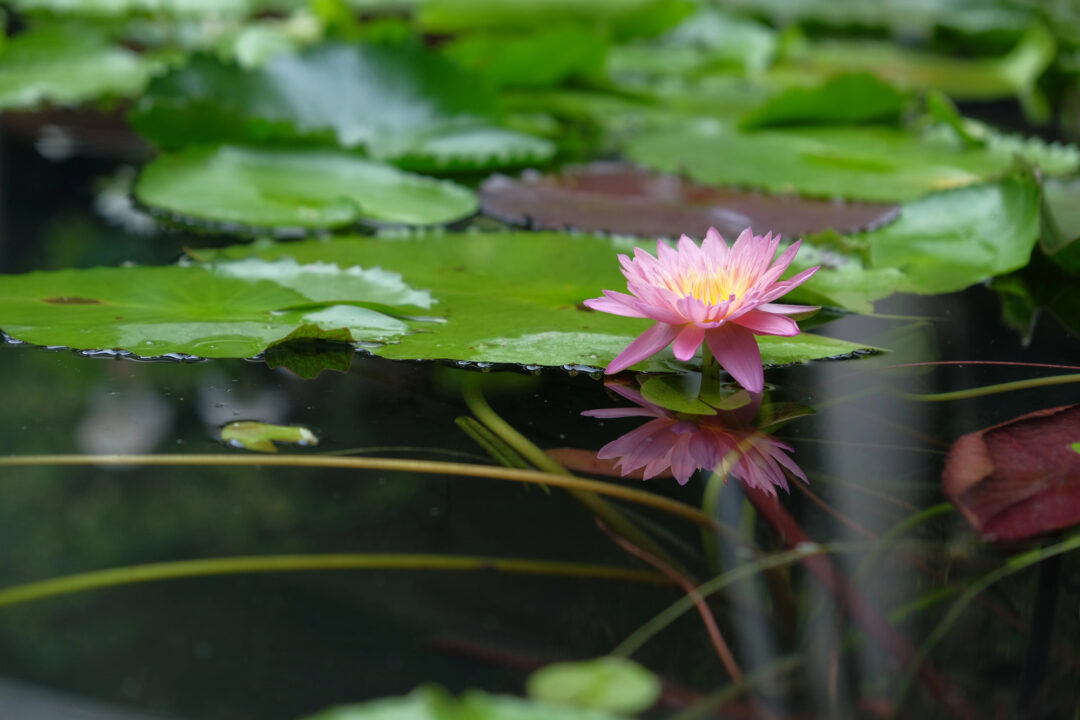
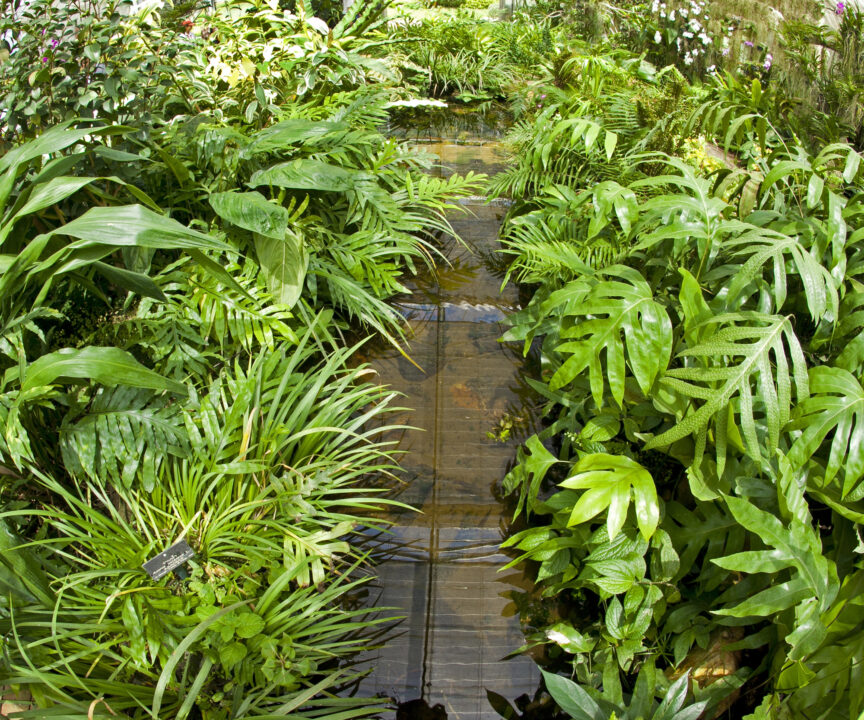
Another popular element within natural pool designs is the regeneration zone. This is a designated area of the pool where aquatic plants are located to mostly help with the filtration of the water, and also provide the “natural” aspect of the pool. This is what purifies the water without using chemicals. Just like in any other non man made pond/lake, there are plants, wildlife, and small microbes which have a self cleaning ecosystem. When a natural pool is in a healthy state, it attracts wildlife – which is another benefit to owning the pool. Different insects and animals like dragonflies, frogs, and bees will be attracted towards the water. All of these aspects create a beautiful landscape that will make you feel more connected to nature right at your own home. The regeneration zone can either be visible and right next to the swimming part of your pool, it can be located nearby, or underground. As long as it is all connected, it will function properly.

What Is a Plunge Pool?

When exploring options, many homeowners ask, “what is a plunge pool?” A plunge pool is a smaller, compact pool designed primarily for relaxation rather than swimming laps. These pools are typically deeper than they are wide and are perfect for cooling off, soaking, or even hydrotherapy. Plunge pools are especially popular in urban or space-limited areas like North Park or Hillcrest, where backyard space may be limited but the desire for a luxurious outdoor feature remains high.

What makes plunge pools particularly appealing is their versatility. They can easily be adapted into a natural swimming pool design by incorporating plant filtration systems and natural materials. This allows homeowners to enjoy the benefits of a natural pool without needing a large footprint. Additionally, plunge pools tend to be more cost-effective and easier to maintain, making them a great entry point for those interested in sustainable pool options.

Natural Swimming Pools in San Diego Living

San Diego’s climate makes it one of the best locations to invest in a natural swimming pool. With year-round sunshine and an emphasis on outdoor living, homeowners in areas like Del Mar and Rancho Santa Fe are increasingly opting for pools that reflect both luxury and environmental responsibility. Natural pools align perfectly with this lifestyle, offering a chemical-free alternative that supports both personal wellness and ecological balance.

In coastal regions, these pools can be designed to complement ocean views, using soft edges and organic shapes that mirror the natural coastline. Inland areas, on the other hand, may favor designs that incorporate desert-friendly plants and drought-resistant landscaping. This flexibility is one of the biggest advantages of natural pool designs, they can be tailored to fit the specific environment and aesthetic of any San Diego neighborhood.

Beyond aesthetics, natural pools contribute to a healthier lifestyle. Without exposure to chlorine or other harsh chemicals, swimmers often experience less skin irritation, improved respiratory comfort, and an overall more enjoyable swimming experience. For families, this can be a major benefit, especially for children or individuals with sensitive skin.

Is a Natural Pool Right for You?

While natural pools offer many advantages, it’s important to consider whether this style aligns with your lifestyle and expectations. They do require thoughtful design and proper installation to function effectively. Working with an experienced designer ensures that the balance between the swimming zone and regeneration zone is optimized for water clarity and usability.

For homeowners in San Diego, choosing a natural pool is not just about aesthetics, it’s about creating a space that supports relaxation, sustainability, and connection to nature. Whether you’re drawn to a fully immersive pond-like environment or a sleek, modern interpretation, a natural swimming pool can transform your outdoor space into a true sanctuary.

Infinity Pool Designs: Currently Trending in San Diego

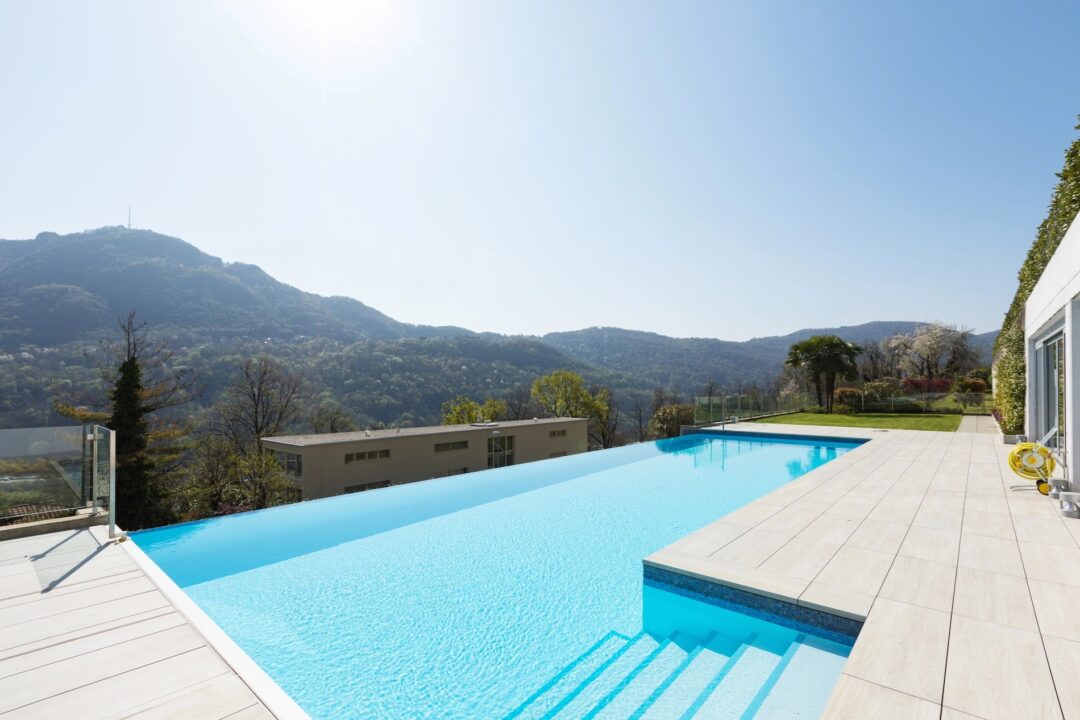
Just by looking upon one, it is easy to see why an infinity edge pool is a popular choice in pool features. It is simple, yet elegant at the same time. They are a great choice to really get the most out of the San Diego landscape in your backyard. A design like this one naturally draws people to it, creating a beautiful environment for your home.

Functionality of the Infinity Pool Design

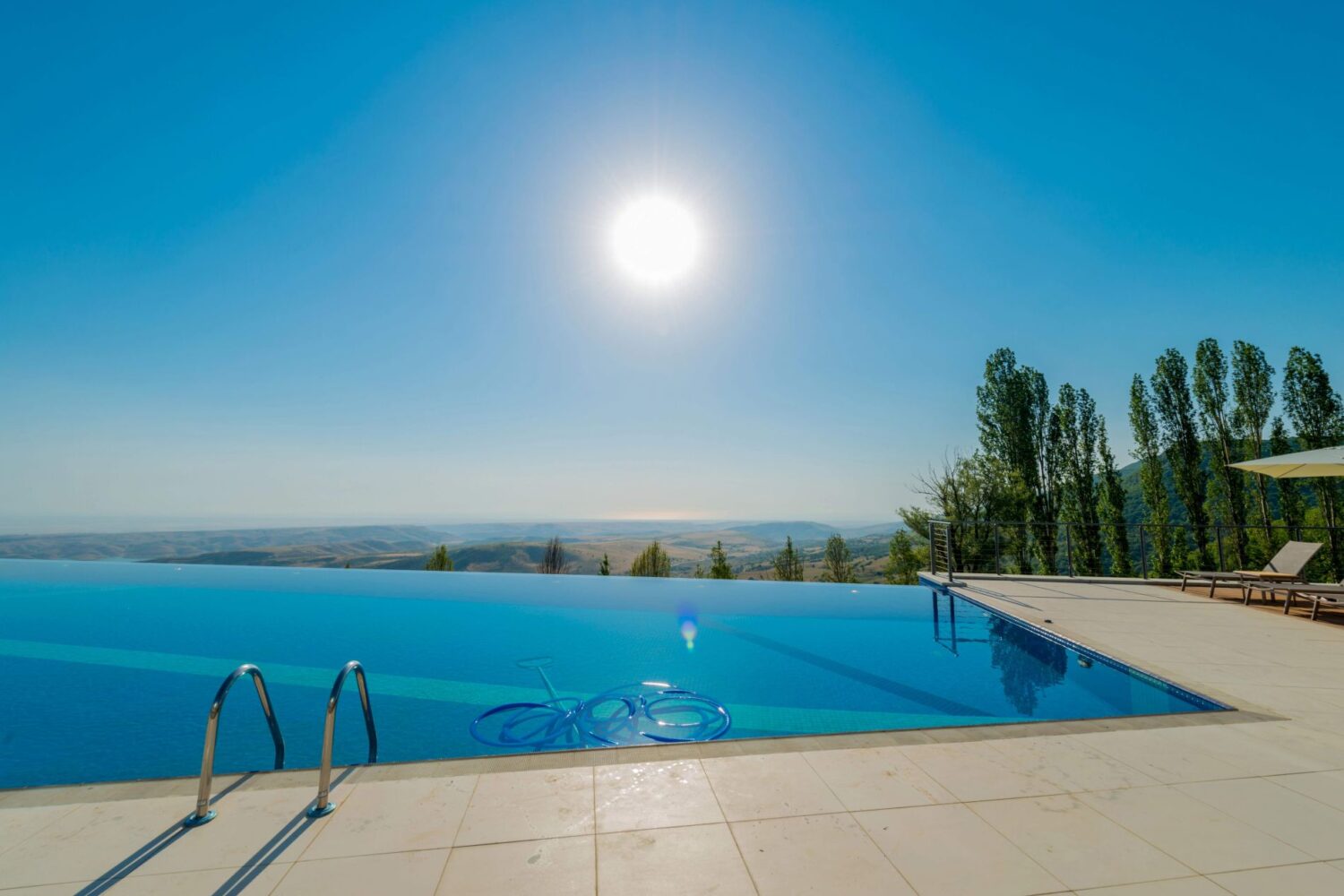
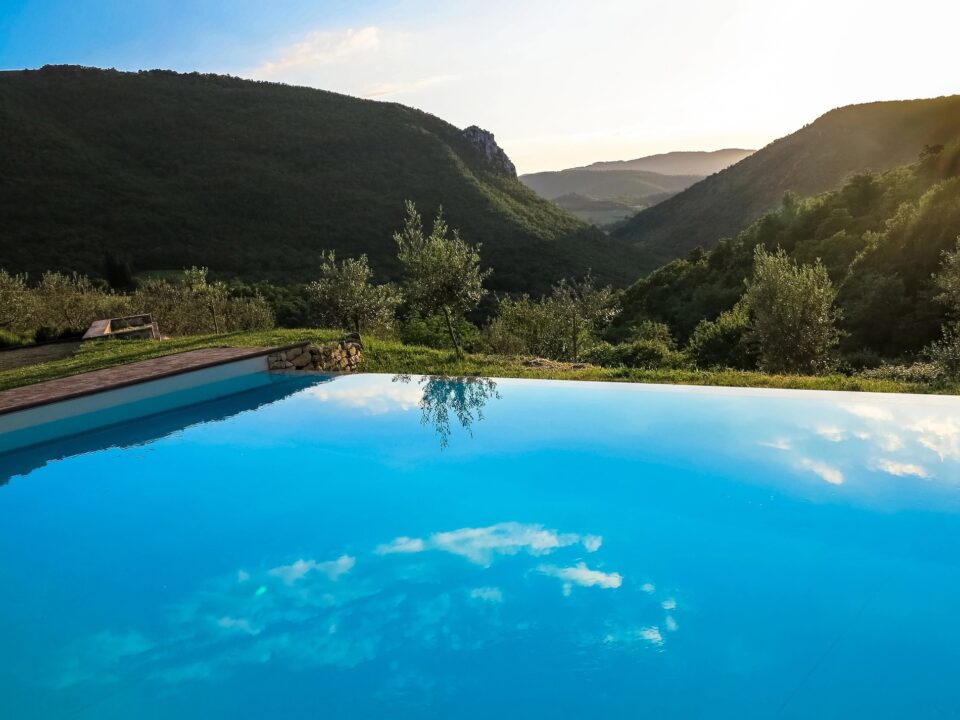
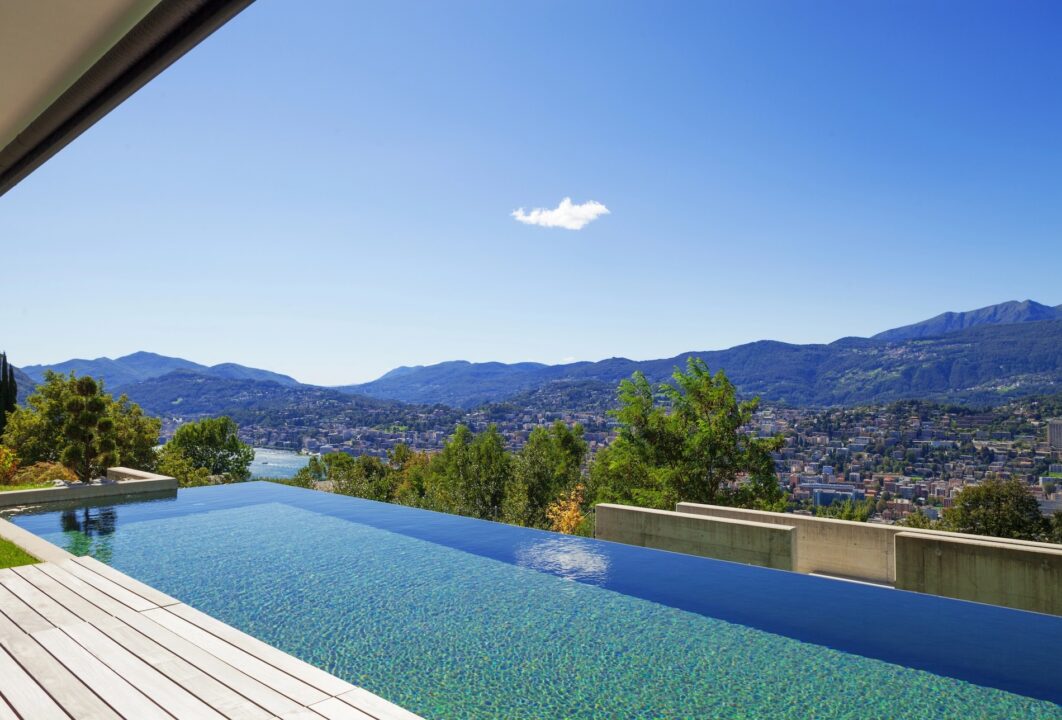
Infinity edge pools are made by giving the illusion of flowing water off a side wall into the level below. They also appear as if the water is continuing on into the skyline. In reality, there is a water basin at the bottom outside edge of where the excess water spills out, which catches the water and recycles it back into the pool. This process is what makes the water look like it is in continuous movement, adding to the illusion. Infinity pools come with a number of benefits, some of them listed are:

  • A modern, trendy, beautiful design that is becoming increasingly popular.
  • Constant flow of water prevents stagnation, ultimately filtering the water
  • The maintenance and cleaning work of the pool is significantly lower due to the filtration system.
  • The property value increases.

The best environment for this pool is a property with a beautiful natural view, making it great for the Southern California landscape. But regardless of view, an infinity pool is still possible and a wonderful home feature. This pool can work nicely in either a large or small backyard, as the shape opportunities of this pool are in abundance. There are a few landscapes in which the infinity pool functions better in. A ground which is sloped is best for the infinity pool, as it aids with the water filtration system. Secondly, a drop off is required at the edge of the pool where the water is pushed out of. Luckily, both of these things are possible to be included with construction if they are not already there! To keep in mind, these unique pools require maintenance and care like any other pool. They do require occasional cleaning, and checks on the water basin. It is important that it functions properly to keep the filtration system working. Another thing, depending on the climate you live in, infinity pools are more sensitive to evaporation. Which means that a water refill is necessary every now and then to keep the pool water leveled. As the pool water being leveled is important to keep the infinity pool illusion. The infinity pool cost is typically higher than a regular swimming pool as well. But, the inclusion of the pool at your home raises the property value so much that it is more often than not worth the cost.

Including the Infinity Edge Pool in Your San Diego Home

When looking for this most sought after element in high end swimming pool design, it is important to have an expert designer on your hands. Choosing Jeff Cleator as the landscape architect for your home is essential to create a proper balance of aesthetics and functionality. Cleator is educated and experienced in the art of designing an outdoor area where you can enjoy for years to come. In a place like San Diego, where ocean views, canyon landscapes, and hillside properties are abundant , infinity pools are more than a trend, they’re a natural extension of the environment. An infinity edge pool is designed with one or more edges that blend into the surrounding landscape creating a “vanishing edge” effect. This is especially impactful in homes overlooking scenic area like:

  • La Jolla: Known for dramatic ocean cliffs
  • Del Mar: Ideal for elevated coastal homes
  • Rancho Santa Fe: Rollings hills and estate properties

These locations naturally lend themselves to infinity pool design, where the edge visually merges with the Pacific Ocean, a canyon, or an expansive skyline.

Elevating Your Design With Custom Features

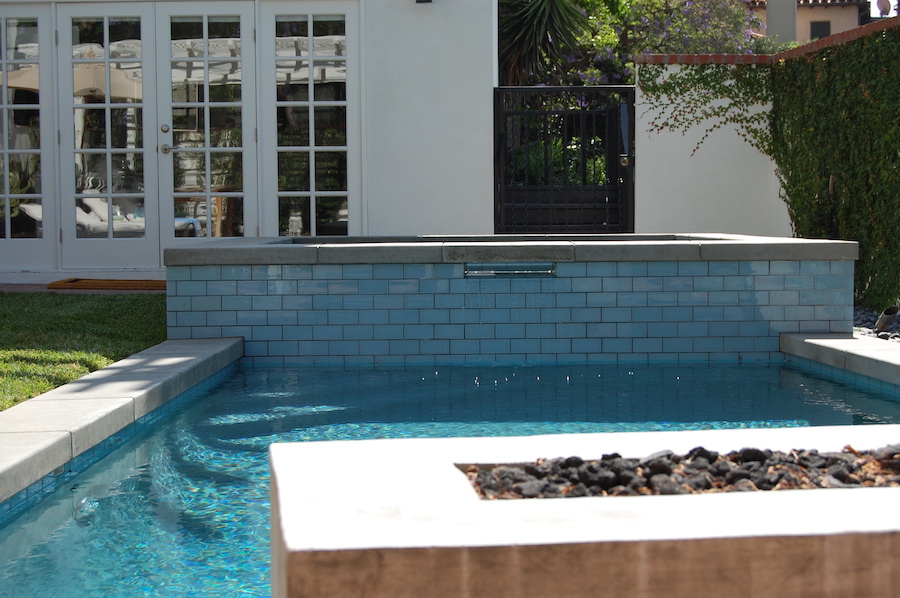
While the vanishing edge is the focal point, a well executed infinity pool design goes far beyond just the edge itself. Homeowners today are looking to create a full outdoor experience, incorporating complementary elements that enhance both function and visual appeal. Features such as built in spas inspired by outdoor jacuzzi ideas, tanning ledges, and integrated seating areas can transform your pool into a multi use space for relaxation and entertainment. Adding a connected spa that spills into the pool not only enhances aesthetics, but also reinforces the seamless, flowing water effect that defines an infinity edge pool.

In addition, incorporating pool water features such as sheer descents, waterfalls, or deck jets can add both movement and sound to your outdoor environment. These features pair especially well with infinity pools, as they amplify the calming resort like atmosphere. For homeowners looking to create a more family friendly environment, elements like a pool water slide can be thoughtfully integrated into the design without compromising the overall modern aesthetic.

Materials, Finishes, and Modern Aesthetics

Another important aspect of swimming pool design is the selection of materials and finishes. A blue swimming pool remains a timeless choice, but modern designs are elevating this look through the use of high end finishes like glass tiles and custom pool mosaics. These materials reflect light beautifully, enhancing the shimmering, endless water effect that infinity pools are known for.

Natural stone decking, neutral color palettes, and clean geometric lines are also key elements in modern pool design. These choices help the pool blend effortlessly with the surrounding architecture and landscape. In areas like La Jolla and Del Mar, where the natural scenery i s already stunning, these subtle design elements ensure that the pool enhances rather than competes with the view.

Balancing Luxury With Affordable Pool Design

Although infinity pools are often associated with luxury, there are still ways to explore affordable inground pool designs that incorporate elements of an infinity edge. By simplifying the shape, reducing the number of vanishing edges, or strategically placing the pool to work with the natural slope of the land, homeowners can achieve a similar visual edges, or strategically placing the pool to work with the natural slope of the land, homeowners can achieve a similar visual impact at a more manageable infinity pool cost.

Working with an experienced designer like Jeff Cleator allows homeowners to prioritize where to invest and where to scale back. This ensures that the final result feels high end and customized, while staying aligned with budget considerations. Thoughtful planning can make a significant difference in both upfront costs and long term maintenance.

Modern Swimming Pools in Southern California

Jeff Cleator Landscape Architecture is an experienced, knowledgeable, and creative choice when it comes to crafting the perfect residential modern pool design for your outdoor space. Living in the Golden State, surrounded by sunshine, palm trees, and coastal beauty, it’s only natural to want a pool on your property. Modern pool designs are becoming increasingly popular for their sleek, geometric forms that adapt seamlessly to both large and small environments. Whether your home is in La Jolla overlooking the ocean, nestled in the hills of Rancho Santa Fe, or situated in a more compact backyard in North Park, a thoughtful design can completely transform your outdoor living space.

From expansive concrete patios to smaller grass yards, Jeff Cleator utilizes his in-depth design expertise to create a space that feels both relaxing and refined. A well-executed modern pool design allows your outdoor area to feel open, airy, and luxurious. Beyond aesthetics, a pool has the ability to unify your entire landscape- bringing balance, movement, and tranquility to your home. There’s also something inherently calming about water. Having a pool in your backyard creates not only a visual focal point, but a personal retreat, an escape where you can unwind, recharge, and enjoy the outdoors. However, if you’re investing in a pool, it’s essential that it is designed with intention and expertise to maximize both beauty and functionality.

Across San Diego, Jeff Cleator’s portfolio reflects a diverse range of styles, proving his versatility within modern pool designs. By combining his trained eye for landscape architecture with your personal vision, he can bring to life a space you may have only imagined. The result is more than just a backyard, it’s an environment that encourages connection, relaxation, and everyday enjoyment. A thoughtfully designed outdoor space naturally draws people in. It becomes a place for gathering with friends and family, hosting, or simply enjoying a quiet moment in the sun. In a climate like Southern California’s, a pool isn’t just an addition – it’s a lifestyle enhancement.

Current Trends in Modern Pool Design

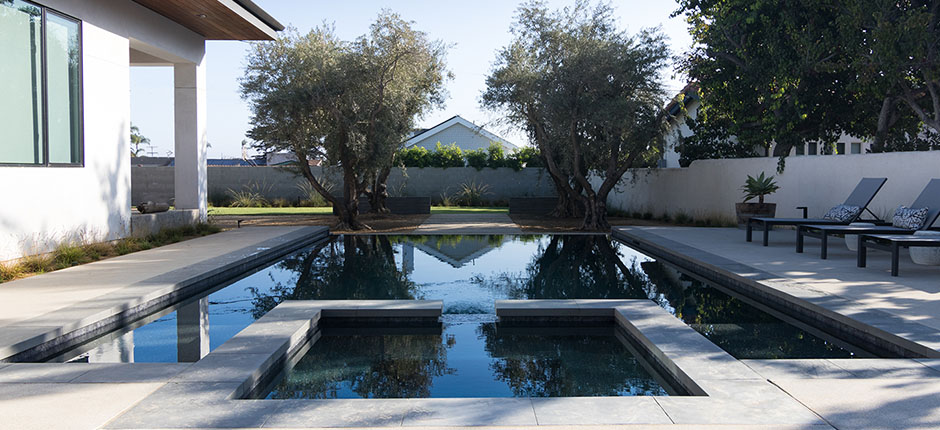
One of the defining characteristics of modern pools is their simplicity. A design can be as clean as a rectangle or as dynamic as an L-shape proving that, in many cases, less truly is more. These streamlined forms are at the core of today’s most sought-after pool design ideas. That said, subtle design choices such as tile selection, material finishes, and integrated features can dramatically shift the overall look and feel of a pool. For homeowners looking to elevate their space further, water features are becoming an increasingly popular addition.

Some of the most in-demand modern pool water features include:

  • Infinity edges
  • Scuppers and water walls
  • Sheer descent waterfalls
  • Deck jets
  • Bubbler and fountain jets
  • Laminar jets

These features not only enhance the visual appeal of a pool, but also introduce soothing ambient sound creating a more immersive outdoor experience.

Infinity edge pools, in particular, continue to rise in popularity throughout areas like Del Mar and Encinitas, where scenic views can be fully embraced. Their signature effect of water appearing to vanish into the horizon pairs beautifully with San Diego’s natural backdrop of ocean views, mountain ranges, and vibrant sunsets. Whether designed as a dramatic overflow into a lower basin or subtly integrated with surrounding stone and landscape, infinity pools offer a minimal yet striking aesthetic that perfectly complements the Southern California environment.

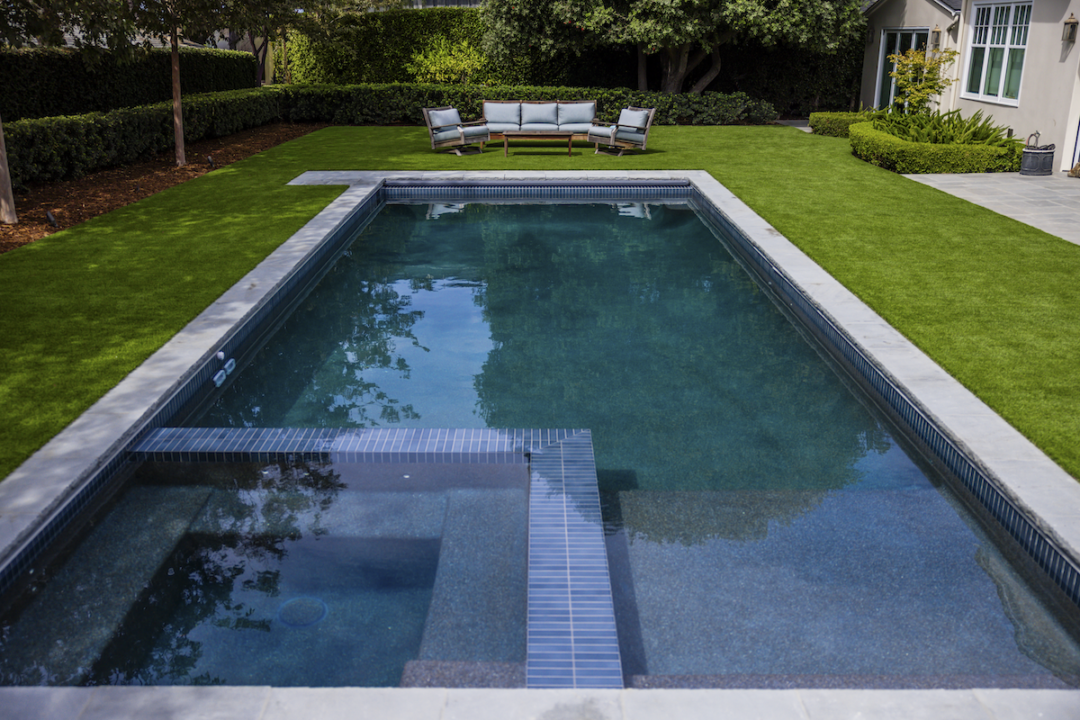
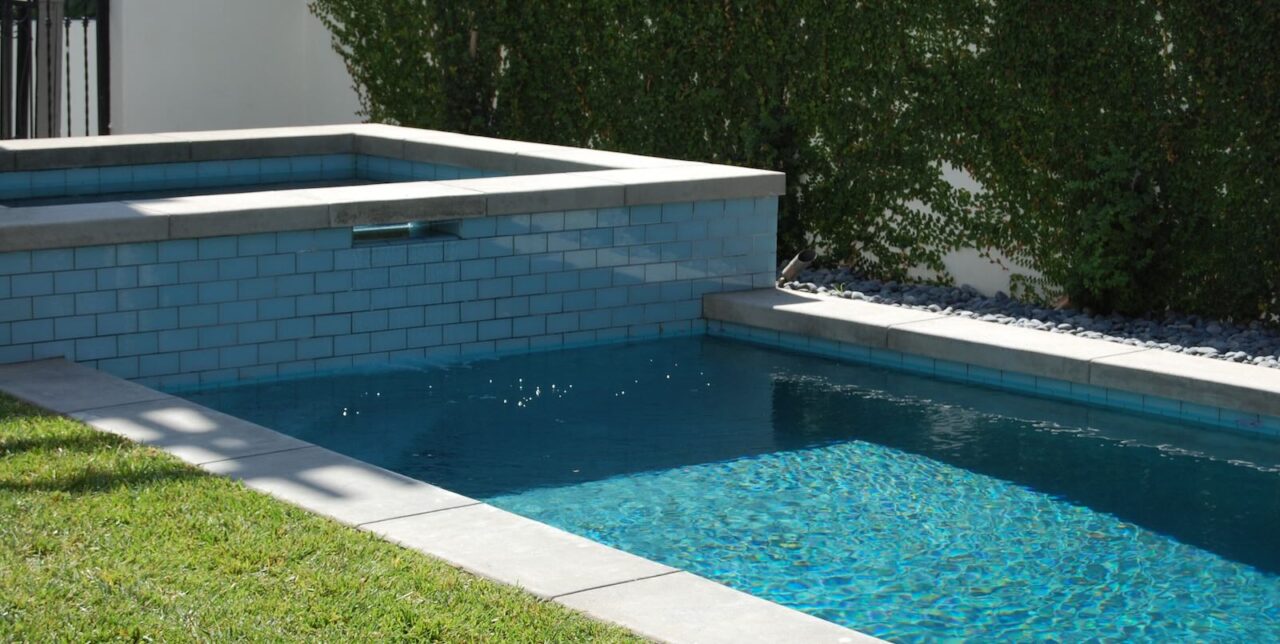
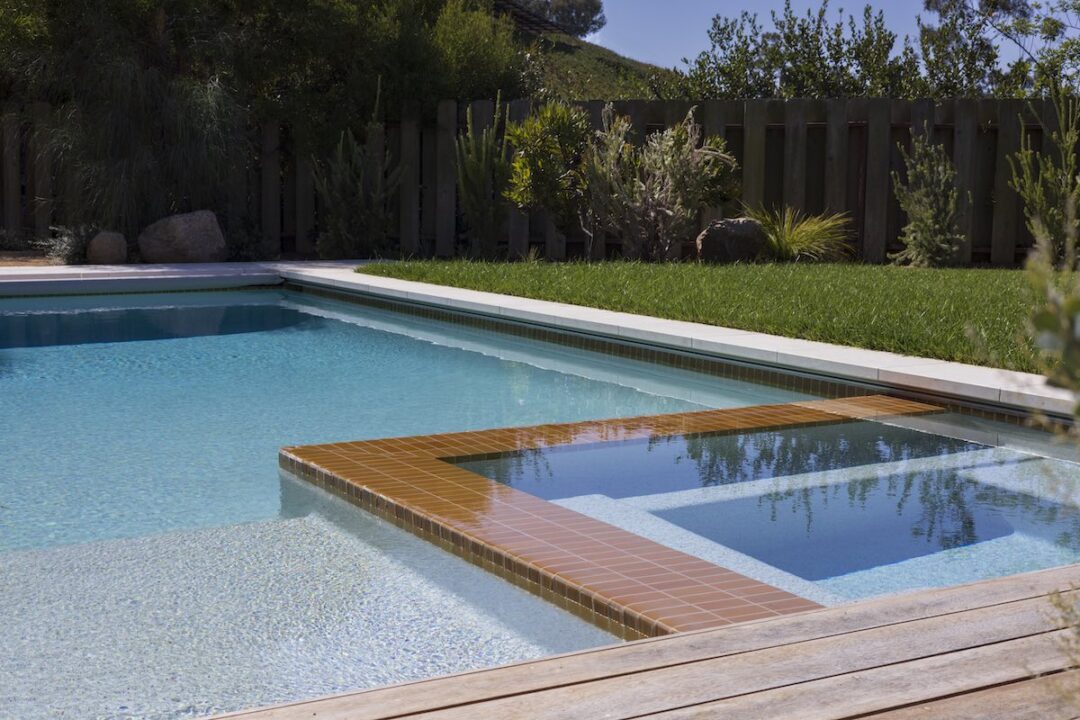
Another highly desirable feature is the integration of a spa. For those exploring pool design ideas, an elevated spa that spills into the main pool via a sheer descent waterfall creates both visual interest and functional luxury. This design not only maintains a clean, cohesive look but also adds year-round usability especially during cooler evenings. For more compact backyards, a spa can also be incorporated on the same level as the pool, separated by a sleek stone or concrete partition. This approach keeps the design streamlined while maximizing space efficiency. No matter the layout, modern pool design offers endless opportunities for customization and Jeff Cleator has the expertise to bring those ideas to life.

Expert Material Choices for Minimal-Modern Pools

Material selection plays a critical role in both the durability and overall aesthetic of a pool. The right materials ensure that your design not only looks cohesive but also stands the test of time.

Some of the most popular material choices in modern pool designs include:

  • Natural stone
  • Concrete
  • Glass
  • Porcelain tile

Each material offers a unique look and feel, allowing homeowners to tailor their space to match their existing landscape and architectural style. Whether your home is located in the coastal neighborhoods of Pacific Beach or further inland in Poway, there are material combinations that will seamlessly integrate with your surroundings.

Material application can vary widely from the pool’s interior shell and finish to the surrounding deck and hardscape. For example, a concrete base paired with a mosaic tile finish can introduce texture and visual interest, while maintaining a smooth, polished feel. On the other hand, a simple, unembellished concrete pool may be the perfect choice for a backyard that already features bold landscaping elements.

A natural stone pool is another compelling option, offering both versatility and timeless appeal. Depending on how the stone is arranged, the design can lean either rustic and organic or refined and contemporary. This flexibility makes natural stone an excellent choice for homeowners looking to balance modern structure with natural beauty.

Ultimately, the materials you choose will define the character of your pool. With expert guidance, these elements can come together to create a cohesive, elegant outdoor environment that feels both intentional and inviting.

How Much Does It Cost to Build an Inground Pool?

One of the most common questions homeowners ask is: how much does it cost to build an inground pool? The answer depends on several factors, including size, materials, features, and site conditions.

In areas like San Diego County, a modern inground pool typically ranges anywhere from $80,000 to $200,000+, depending on the level of customization. Elements such as infinity edges, integrated spas, high-end finishes, and advanced lighting systems can all influence the final cost. While the investment may seem significant, a well-designed pool adds long-term value, not only financially, but in the quality of life it brings. With the right design approach, your pool becomes more than just a feature -it becomes the centerpiece of your home.

Sustainable Landscape Design

Thoughtful, Regenerative Outdoor Spaces

Sustainable eco conscious landscape design carries responsibility. With extended dry seasons, rising water costs, and increasing environmental awareness, outdoor spaces must be carefully put together to stay healthy in a space. It’s not just about looking beautiful anymore, it is about creating a space that lasts in the land you call home. Landscape design in southern California is not just a trend, it is a necessary evolution in how we shape land, use resources, and live outdoors.
At Cleator Landscape Design, Jeff Cleator approaches sustainability as a holistic design philosophy rather than a checklist of features. Whether working in the historic neighborhoods of North Park and Hillcrest, coastal properties in Point Loma, or expansive estates throughout North County, each project begins with a careful understanding of site conditions, climate patterns, and long-term stewardship. True sustainable landscape design balances aesthetics, durability, water efficiency, and ecological impact, creating outdoor environments that feel intentional, grounded, and enduring.


Designing With Climate in Mind

Southern California’s Mediterranean climate demands water wise design strategies. Long dry summers followed by short periods of rain require landscapes that conserve water without sacrificing visual richness. Water wise design begins with plant selection and soil preparation. Native plant landscape design plays a central role to thrive with minimal supplemental irrigation, support local biodiversity, and establish deep root systems that stabilize soil and reduce runoff.
In neighborhoods like North Park and Hillcrest, where lot sizes may be compact, regenerative landscape design techniques can transform small yards into layered, climate responsive ecosystems. In North County, larger properties allow for broader planting strategies that incorporate shade trees, habitat zones, and permeable surfaces. In coastal Point Loma, salt-tolerant and wind resistant species become essential to long term success. Rather than forcing the landscape to fight the environment, eco conscious design works with it.

Biophilic Design: Connecting People to Nature

A sustainable landscape should not only conserve resources, it should foster connection. Biophilic Design in Southern California integrates natural systems, textures, and patterns to create outdoor spaces that support human well-being.

In practice, this might include:

  • Layered planting that mimics natural ecosystems
  • Organic material palettes such as stone, wood, and gravel
  • Integrated water elements designed for minimal waste
  • Shaded seating areas positioned beneath canopy trees

Biophilic design encourages slower experiences outdoors. In Point Loma, this might mean framing ocean views with native grasses. In North Park, it may involve transforming a previously paved yard into a permeable garden courtyard filled with layered plant life. In North County estates, it could include meandering pathways through drought-tolerant gardens that invite exploration. When people feel connected to their environment, sustainability becomes instinctive rather than imposed.
Sustainability is not only about plant choices. It is about longevity. Durable design ensures that materials, hardscapes, and lighting systems withstand time, weather, and use without constant replacement. Green landscape solutions often include permeable pavers, stabilized decomposed granite, responsibly sourced stone, and concrete applications designed for structural longevity. These materials reduce runoff, improve groundwater recharge, and limit the need for frequent repairs.
Eco friendly lighting is another critical component. Low-voltage LED systems reduce energy consumption while providing warm, intentional illumination. Thoughtfully placed lighting extends usability without contributing to excessive light pollution, particularly important in residential areas of Hillcrest and North Park where density is higher.
Durable design supports regenerative landscape design by minimizing waste over time. A well built outdoor environment reduces future resource consumption, reinforcing sustainability beyond the initial installation.


Water Wise and Drought Friendly Solutions

In Southern California, drought friendly design is of the utmost importance. Sustainable eco conscious landscape design in Southern California must prioritize efficiency at every level. There are a few different methods that can be put in place to create a drought friendly design.

Key strategies include:

  • Drip irrigation systems calibrated to plant zones
  • Soil amendment to increase water retention
  • Mulching to reduce evaporation
  • Strategic plant grouping based on water needs
  • Rainwater capture where feasible

Water wise design does not eliminate greenery, it just shifts attention to native plants, climate focused species, and planting arrangements. Native plant landscape design often produces more dynamic, seasonal interest than traditional turf heavy yards. In North County, expansive lawns are increasingly replaced with layered, drought tolerant gardens. In Point Loma, coastal adapted species create lush textures without excessive irrigation. In North Park and Hillcrest, compact urban gardens can become models of efficiency through careful zoning and plant selection. The result is a sustainable landscape that thrives with intention rather than excess.


Holistic Design Thinking

Holistic design considers the natural environment and its preservation as one of the most important matters when putting a landscape together. The purpose is not just to create something beautiful, but to also create a regenerative space that works as an interconnected ecosystem to benefit the natural environment around you. This is not only long lasting compared to a non-holistic design, but it will also be aesthetically pleasing. The space will thrive in its environment due to the build of the design. To know and to feel that space is not only beautiful, but also heals the ecosystem around it is a priceless feeling. Cleator Landscape Design is recognized as knowledgeable and experienced in this matter, to make your holistic landscape visions designed into reality.

Especially in Southern California, holistic design must respond to climate, ecology, and long term sustainability. A truly sustainable eco conscious design incorporates drought friendly strategies that allow the landscape to thrive with minimal resource input. In neighborhoods such as North and Hillcrest, throughout North County and in coastal areas like Point Loma, thoughtful regenerative landscape design ensures each project responds to its specific microclimate, soil conditions, and surrounding ecosystem. By prioritizing durable and eco conscious design principles, each space is built to withstand changing environmental conditions while actively restoring soil health and supporting local biodiversity. Holistic design also embraces biophilic design, creating meaningful connections between people and nature through intentional layouts, layered planting, natural materials, and eco-friendly lighting.

Designing the Perfect Patio Kitchen for Southern California Living

In the climate of southern California, having a small outdoor patio kitchen for a backyard can completely elevate your space. It is a place where you can gather with friends and family, and enjoy a homemade dinner on that random sunny day in February. The perfect outdoor dining area should be cohesive in materials, the flow of the space, and the natural elements. It is the center of the outdoor backyard lifestyle. With Cleator Designs, your space can become more than a simple grill station, it can be transformed into an area where you make memories that last a lifetime. The goal is not to simply add appliances outside, but to create an environment that reflects the home’s style, supports functionality, and enhances the surrounding landscape. Whether designing a small outdoor kitchen in Carmel Valley or a large outdoor kitchen on an estate in Rancho Santa Fe, intentional planning is what separates an average backyard upgrade from a truly refined outdoor experience. Outdoor kitchen plans begin with an understanding and intention of how the space will be used. In Del Mar, where views and ocean breezes influence layout decisions, orientation and wind protection matter. In a more family oriented neighborhood like Carmel Valley, homeowners will prioritize more practical layouts that allow for an easy weeknight dinner and casual gathering. While in Rancho Santa Fe, expansive properties will likely call for a more elaborate, fancy outdoor kitchen concept that becomes the focal point of the landscape.

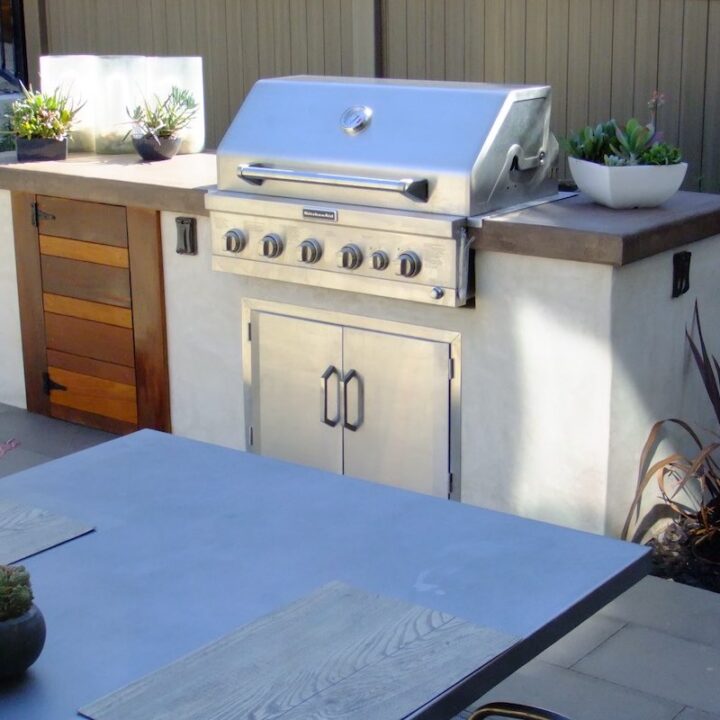
A space does not have to be large to make it beautiful though. A small outdoor kitchen can be just as impactful as a large one when designed with clarity. In tighter backyard footprints, streamlined layouts prevent overcrowding and maintain visual openness. An outdoor concrete kitchen island, paired with a built an outdoor stainless steel grill in San Diego, creates a durable and modern foundation. Integrated storage, subtle under counter lighting, and a bar ledge that doubles as an outdoor dining area keeps the footprint compact while maximizing usability. Smaller designs are beautiful because every element has its own purpose.

For larger properties, particularly in an area like Rancho Santa Fe, outdoor kitchens can expand into a full culinary and dining space. These environments may include multiple cooking areas, generous prep surfaces, refrigeration beverage centers, and custom seating areas. The design should feel grounded and in flow within the broader landscape architecture to avoid overwhelming the yard. It is typical for an outdoor dining area to be integrated under an outdoor kitchen awning, creating structure and shade while visually anchoring the space. This will result in an environment that feels balanced and welcoming rather than oversized.


The Importance of Material Selection

Material selections also play a critical role in outdoor kitchen longevity, especially in coastal communities like Del Mar. Outdoor kitchen materials must withstand the weather variants like UV exposure, salt air, and temperature fluctuations. Concrete outdoor kitchens are becoming increasingly popular for modern and mid-century modern homes due to their durability and sculptural quality. Cast concrete islands can appear sleek and minimalist or textured and organic depending on the design direction.

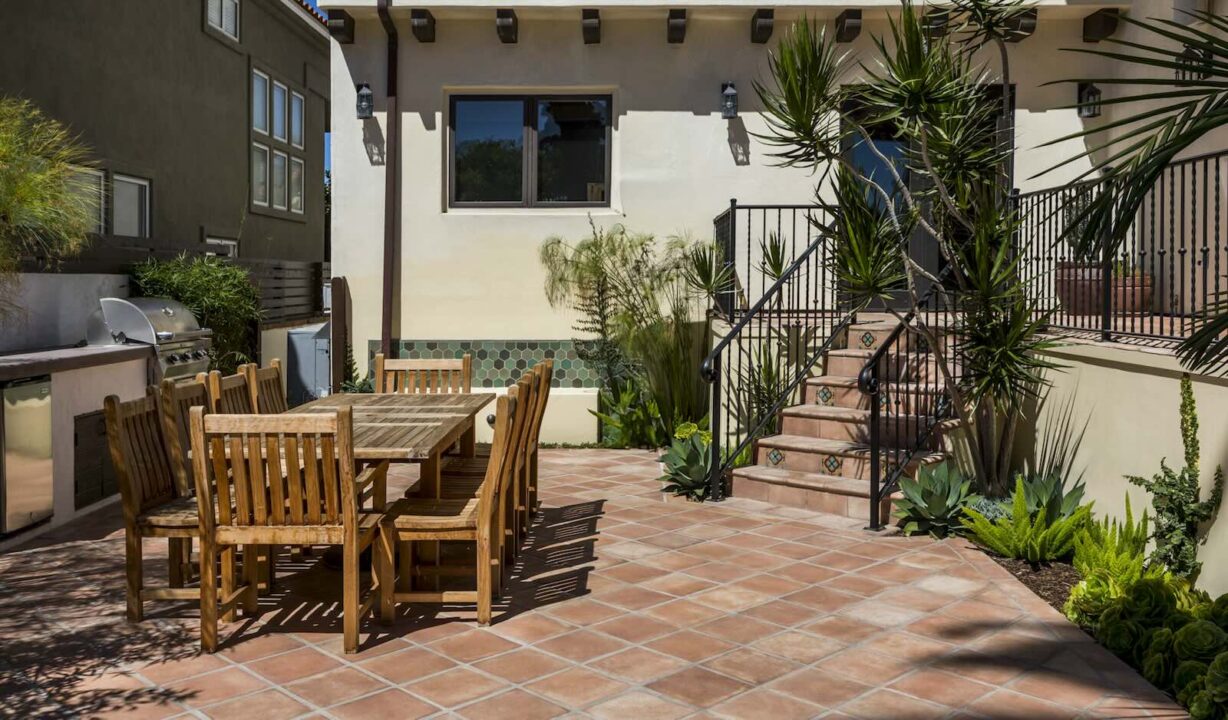
Natural stone remains a timeless choice, particularly for Spanish Revival, Craftsman, or Traditional homes. Stone adds a grounding effect and warmth while performing well in Southern California’s climate. Stainless steel appliances are essential for any outdoor grill in San Diego. This is particular for coastal areas where corrosion resistance is a priority. In some cases, decorative tile is introduced to add character, especially in eclectic or Spanish revival inspired patio kitchens.

How to Create a Space That Flows

Beyond materials, flow is what really ties the space together. It is what creates a space that doesn’t just look good, but feels good. A well designed patio kitchen considers the relationship between all the small components of the space to tie it into one. The cooking and prep area, and the gathering zone should feel connected. The people in the space should feel a cohesive flow between these areas, and movement between the indoor and outdoor spaces should feel effortless.

When planning an outdoor kitchen area in Carmel Valley, Del Mar, Rancho Santa Fe, or any region of San Diego you may reside in, it helps to think through a few foundational questions:

  • How often will you entertain , and how many guests do you typically host?
  • Will the kitchen be used for everyday family use or larger events?
  • What architectural style does your home lean, Spanish Revival, Modern, Craftsman, Traditional, etc
  • What do you need for the space regarding weather, and lighting?

Cleator Designs will work through all these questions and more with you so that a space can be designed where you feel relaxed and at home.


Protective Shade Structures For Your Yard

In Southern California, shade structures are most definitely needed. This particular piece of an outdoor patio kitchen deserves special attention. An outdoor kitchen awning, or roof extension significantly increases usability and comfort. In Carmel Valley, afternoon sun angles often influence placement. In Del Mar, wind exposure and coastal conditions may affect structural choices. While in Rancho Santa Fe, custom wood or pergolas often frame expansive outdoor dining areas and elevate the architectural presence of the patio kitchen.

Design style also informs the character of the space. A Spanish Revival outdoor kitchen might feature white stucco finishes, vibrant ceramic tile work, and ion decorative elements. A modern or mid century modern design may highlight clean concrete forms, linear layouts, and minimalist detailing. Craftsman inspired kitchens emphasize natural materials and handcrafted elements, while traditional spaces learn toward symmetry and classic stonework. Tropical or eclectic designs might integrate lush planting, bold tile accents, or layered textures to create a resort like atmosphere.

Regardless of style, the underlying principle remains the same: an outdoor kitchen should feel like a natural extension of the home. It should not appear added on, but rather integrated into the architecture and landscape. In communities like Carmel Valley, Del Mar, and Rancho Santa FE, outdoor spaces are an investment in lifestyle. A thoughtfully designed patio kitchen increases property value, enhances daily living, and creates a settling for meaningful gatherings. Whether you’re envisioning a small outdoor kitchen with a streamlined concrete island or a large outdoor kitchen built for entertaining under the stars, success comes down to cohesive design.

At Cleator Landscape Design, outdoor kitchen plans are approached holistically, balancing materials, structure, proportion, and flow. The result is an outdoor environment that feels purposeful, enduring and uniquely tailored to the homeowner. Southern California living happens outdoors. With careful planning and architectural intention, your outdoor kitchen can become the heart of your home.

Intentional Landscape Pool Design in San Diego

Are you searching for the best pool landscape designer in the San Diego region? Having a well-designed pool can define the entire outdoor experience of your home. In communities like La Jolla, Rancho Bernardo, and Scripps Ranch, backyard spaces are placed as an extension of the home. There are many factors that influence how a pool should take shape. Some of these include architecture, terrain, climate, and lifestyle. The most successful pool design is never isolated. To reach full potential, the design should respond to its surroundings and enhance the character of the property. Jeff Cleator designs is praised for having an excellent attention to detail, thoughtful suggestions, and cost effective methods to elevate your landscape design.

At Cleator Landscape Design, Jeff Cleator enters new projects with an architectural and keen perspective. Rather than beginning with a template, the process begins with learning about you and your home. He looks at specific things like, how the home sits on the lot, how sunlight moves across the yard, how circulation should flow, and which materials can unify the space. Whether designing a below ground backyard pool in Scripps Ranch or developing a refined outdoor pool design in Scripps Ranch or developing a refined outdoor pool design overlooking the ocean of La Jolla, the goal is cohesion and longevity.


Designing Below Ground Backyard Pools with Purpose

Below ground backyard pool design is often the foundation of a successful outdoor transformation. While many properties in Rancho Bernardo and Scripps Ranch begin with expansive concrete patios or underutilized yards, a custom pool introduces structure and intention. Craftsmanship and proportion becomes critical. The pool must feel scaled correctly to both the home and the usable yard space. When thoughtfully executed, concrete backyard pool design creates a clean architectural framework. It allows for sharp geometry in modern homes, softened curves for traditional settings, or layered transitions for craftsman inspired properties. Hardscape alone, however, can feel stark. Integrating pool landscape designs ensure balance. Introducing planting beds, specimen trees, and structured greenery that soften edges and anchor the space visually. The relationship between the pool and the surrounding landscape defines how the space is experienced. Strategic placement of water features for pools, whether subtle scuppers, spillways, or integrated fountains, adds movement and sound without overwhelming the design. Carefully considered pool lighting further enhances the composition, highlighting architectural lines and extending usability into the evening.
In these suburban communities, where family use is often central, the pool must also function beautifully. Shallow tanning ledged, thoughtfully integrated hot tub design, and clear circulation paths between the pool and seating areas ensure the backyard works as seamlessly as it looks.


Pool Design for Hillside and Coastal Properties

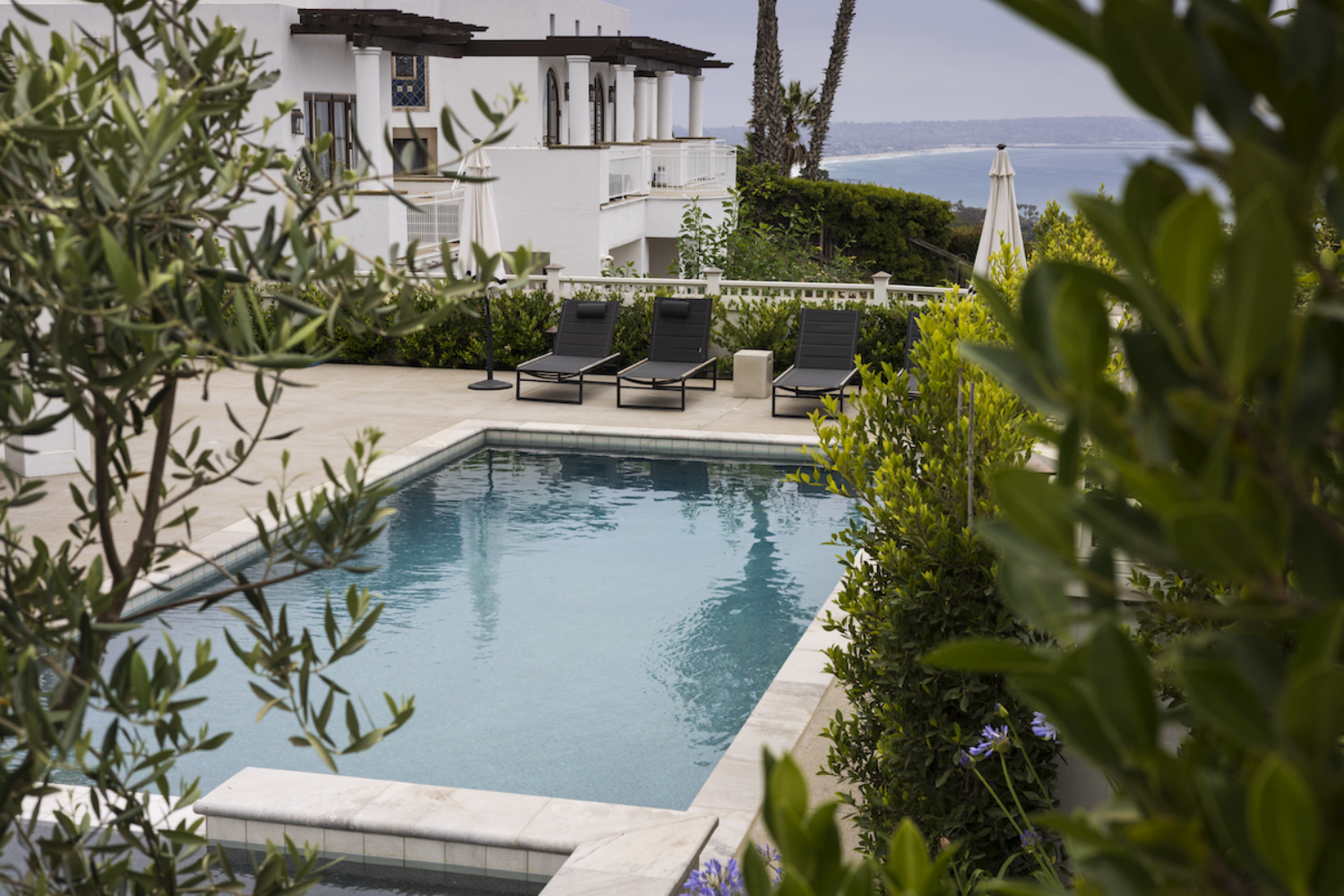
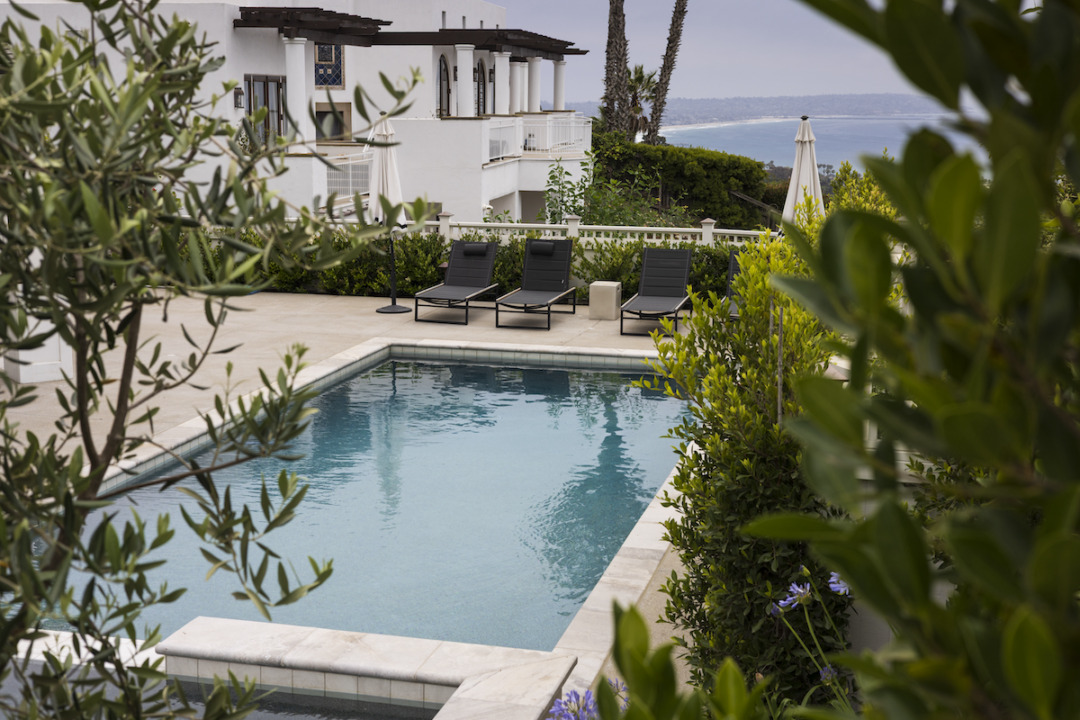
La Jolla properties in particular, present unique opportunities for dramatic outdoor pool design. Sloped sites demand technical precisions, but they also allow for breathtaking architectural gestures. A pool on a hill can become the defining feature of a property when its edge treatment, elevation changes, and sightlines are handled correctly.
Vanishing edges and infinity pools often work beautifully in hillside environments, visually merging water with sky or ocean. Tiered retaining walls and stepped planting areas help anchor the design into the terrain. Elevated spa or hot tub design elements can serve as sculptural focal points, with spillover water reinforcing the connection between levels. However, hillside pool design is not simply about spectacle. It requires restraint. Materials must complement the surrounding landscape rather than compete with it. Clean lines may suit a modern La Jolla residence, while warmer stone and textured finishes may feel more appropriate in Rancho Bernardo’s traditional neighborhoods. The key is alignment- Architecture, pool, and landscape speaking the same language in design.


The Role of Pool Deck Design in Outdoor Living

While the water often captures initial attention, pool deck design determines how the space truly functions. The deck is where daily activity unfolds. Lounging, entertaining, dining, and gathering. Without thoughtful deck planning, even the most beautiful pool can feel incomplete. In Rancho Bernardo and Scripps Ranch homes, deck layouts often prioritize flexibility. Generous lounging areas, shaded seating zones, and seamless transitions to outdoor kitchens or fire features make the backyard usable year-round. In La Jolla, deck materials frequently become an architectural statement, reinforcing the clean geometry of modern homes or complementing Spanish Revival influences.

A well designed pool deck should consider:

  • Proportion relative to the home and pool size
  • Heat performance and comfort underfoot
  • Clear transitions between hardscape and landscape
  • Cohesion with the architectural style of the residence

When deck materials , pool coping, and planting palettes are selected together, the outdoor space feels composed rather than assembled.

Lighting, Water, and the Evening Experience

True refinement in pool design often emerges after sunset. Subtle, layered pool lighting transforms the backyard into an evening retreat. Underwater LEDs define form and depth. Accent lighting within planting beds creates dimensionality. Path lighting improves safety without overwhelming the atmosphere.Water features, when thoughtfully integrated, enhance this effect. The gentle sound of moving water introduces calm and masks ambient noise. Combined with an elevated hot tub design or integrated spa, these features encourage year-round use, particularly important in Southern California’s mild climate. Rather than treating lighting and water features as add ons, they should be incorporated into the initial pool landscape design plan. This ensures the infrastructure supports the aesthetic vision from the beginning.


Style-Driven Pool Design Across Communities

Cleator Landscape Design is known for interpreting distinct architectural styles through outdoor spaces. Whether the project reflects Spanish Revival warmth, modern minimalism, craftsman detail, mid-century modern geometry, tropical lushness, eclectic expression, or traditional symmetry, the pool becomes an extension of that identity. In La Jolla, modern and coastal influences often guide material selection and form. In Rancho Bernardo, traditional and transitional homes may call for softer curves and classic stonework. In Scripps Ranch, a blend of contemporary and family-oriented design frequently shapes the layout. Each neighborhood has its own character, and successful pool design respects that context. Homeowners searching for the best pool designers in La Jolla, Rancho Bernardo, or Scripps Ranch are often looking for more than installation expertise. They are seeking a pool landscape designer who understands proportion, terrain, and architectural integrity, someone who can shape a below ground backyard pool that feels integrated, not imposed.


Designing for Longevity

A well designed outdoor pool is an investment in both lifestyle and property value. Trends may shift, but thoughtful proportion, cohesive material, and intelligent planning endure. From concrete backyard pool design to hillside installations and refined pool deck layouts, every decision should support long term usability and visual harmony. The most successful projects are those in which the pool, landscape, lighting, and architectural elements are conceived as one unified composition. When executed with care, the result is not simply a backyard pool, it is a fully realized outdoor environment. From homeowners in La Jolla, Rancho Bernardo, and Scripps Ranch considering custom pool design, the opportunity is not just to add water, but to create an outdoor space that feels intentional, enduring, and distinctly their own.

Why You Shouldn’t Plant Mexican Needlegrass in Your Garden

Click here to watch a video on why to never plant Mexican needle grass

Why You Shouldn’t Plant Mexican Needlegrass in Your Garden

When planning a garden, it’s tempting to reach for plants that are drought-tolerant, low-maintenance, and visually striking. Mexican needlegrass (also known as Nassella tenuissima, formerly Stipa tenuissima) checks many of these boxes. Its fine, flowing green blades and soft, feathery seed heads add movement and texture to landscapes, especially in arid and Mediterranean climates.

But here’s the thing: this ornamental grass is an ecological nightmare in disguise.

1. It’s Highly Invasive

Mexican needlegrass is a prolific self-seeder. Its seeds are lightweight and equipped with long, twisted awns that help them latch onto animals, shoes, and even tires—spreading far beyond where it’s planted. Once it escapes gardens, it aggressively colonizes grasslands, open woodlands, and roadsides.

In fact, it has already become invasive in parts of Australia, California, South Africa, and other regions. It outcompetes native grasses and can rapidly dominate natural habitats, degrading biodiversity and altering fire regimes.

2. It’s Difficult to Control Once Established

Once needlegrass takes hold, removing it is a challenge. The seeds remain viable in the soil for years, and its fine, fibrous root system makes physical removal labor-intensive. Herbicide use is often ineffective against mature clumps, and repeated treatments may be required. Restoration of invaded sites can take years and significant financial resources.

3. It Threatens Agriculture

Mexican needlegrass poses a serious threat to grazing lands. Unlike native grasses, it becomes unpalatable and even harmful to livestock once it seeds. The sharp awns can injure the mouths, eyes, and digestive tracts of animals, particularly sheep and cattle. Pastures infested with this grass quickly lose their productivity, affecting both biodiversity and agricultural livelihoods.

4. Better Alternatives Exist

If you’re drawn to Mexican needlegrass for its ornamental qualities, there are safer, non-invasive alternatives that offer similar aesthetics without the ecological risks. Consider native or well-behaved grasses such as:

  • Muhlenbergia capillaris (Pink Muhly Grass)

  • Sporobolus airoides (Alkali Sacaton)

  • Bouteloua gracilis (Blue Grama)

  • Deschampsia cespitosa (Tufted Hairgrass)

  • Aristida purpurea (Purple Three Awn Grass)

These species provide texture, movement, and resilience in the landscape—without becoming environmental hazards.

5. It May Be Regulated Where You Live

Due to its invasive potential, Nassella tenuissima is banned or restricted in several regions. Before planting anything, especially ornamental grasses, it’s important to check your local noxious weed lists or consult native plant societies. Ignorance isn’t a defense when it comes to invasive species.

Final Thoughts

What starts as a lovely addition to your garden can quickly spiral into an ecological problem. Mexican needlegrass is a textbook example of how “pretty” doesn’t always mean “harmless.” If you’re committed to a beautiful, sustainable garden, skip this grass and choose species that support, rather than harm, your local environment.

Your future self—and your ecosystem—will thank you. If you would like additional help with your landscape design project please don’t hesitate to call Cleator Landscape Design at 619 917 3644


California Native Plants for your home garden

When it comes to California Native Plants for your home garden there is a lot to consider, here are a few tips to get you started. 

Besides the natural beauty, low water use, low maintenance,  enhanced wildlife and pollinator habitat, positive environmental impacts native plant gardens offer they are often more resilient to local pest. But that’s not to say they are the easiest to cultivate. Be sure to take a close look at your climate, micro climate and specific issues you might face when starting your California Native Plant garden.

Some great California Native Plants to consider would be.

  • Muhlenbergia rigens (Deer Grass) – striking, architectural

  • Arctostaphylos spp. (Manzanita) – beautiful bark and flowers

  • Ceanothus spp. (California Lilac) – vibrant blue flowers

  • Salvia apiana (White Sage) – aromatic, silvery foliage

  • Epilobium canum (California Fuchsia) – attracts hummingbirds

  • Penstemon spectabilis (Showy Penstemon) – vibrant purples

  • Verbena lilacina (Cedros Island Verbena) – long blooming

  • Quercus agrifolia (Coast Live Oak) – iconic and majestic

  • Platanus racemosa (Western Sycamore) – large shade tree

As with all garden make sure to consider the following for a more successful garden.

  • Mix textures and heights for visual interest

  • Use mulch and drip irrigation for efficiency

  • Think seasonally – stagger bloom times

  • Consider wildlife attraction (butterflies, bees, birds)

Be sure to consider maintenance issue for your Native Garden such as.

  • Most natives dislike summer watering

  • Prune lightly after flowering

  • Minimal fertilization needed

If you would like additional help designing your California Native Plant Garden please feel free to contact Cleator Landscape Design at 619 917 3644
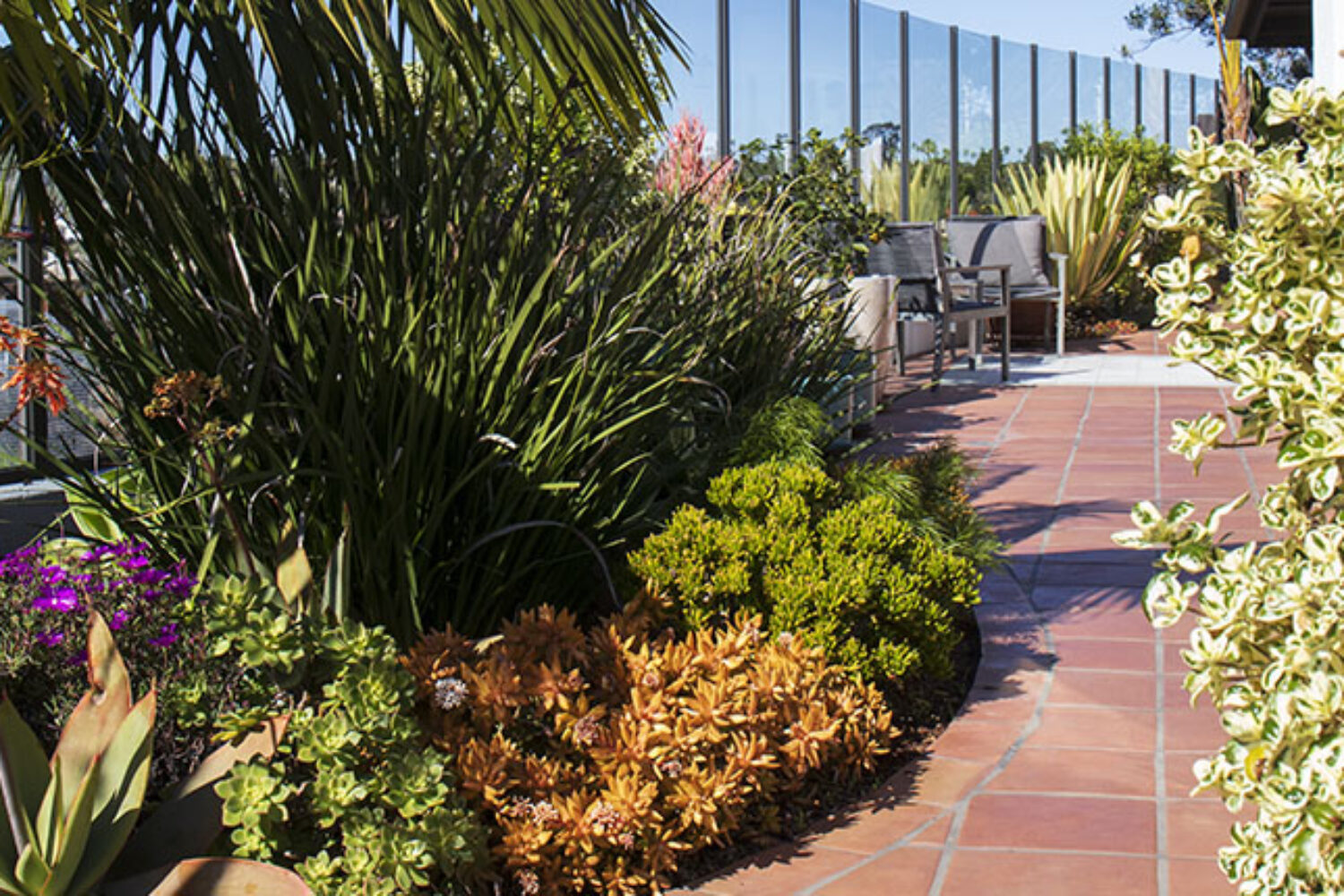
Creating a landscape design for smaller spaces

Creating a landscape design for smaller spaces can be both challenging and exciting. Limited space means you have to be creative, but it also allows you to focus on the finer details that can make your outdoor area feel welcoming and beautiful. Here’s a guide to help you write a blog post about designing a landscape for smaller spaces:

How to Create a Stunning Landscape Design for Smaller Spaces

In the world of landscape design, bigger doesn’t always mean better. Whether you have a tiny backyard, a small patio, or a cozy balcony, creating a beautiful outdoor space in a smaller area is entirely possible with the right planning and design. The key to success is maximizing your space, choosing the right plants and materials, and blending functionality with aesthetics.

In this post, we’ll share some tips and tricks to help you create a stunning landscape design for smaller spaces, turning them into charming, tranquil retreats.

Focus on Vertical Space:

In smaller spaces, you often don’t have the luxury of sprawling out horizontally, so vertical gardening is your friend. Use trellises, wall planters, or hanging baskets to add greenery and flowers without taking up precious ground space. Climbing plants like ivy, clematis, or roses can also create beautiful vertical accents while providing privacy.

Choose Multi-Functional Furniture:

When designing for a small space, every item should serve a purpose. Opt for furniture pieces that are compact yet functional, such as foldable chairs, benches with hidden storage, or a multi-purpose table that can be used for dining, working, or entertaining. Modular seating can also be arranged in different configurations depending on your needs. Do not over crowd the space, as this will create a less refined chaotic feeling to the garden.

Use Lighter Colors and Reflective Materials:

Lighter colors and reflective surfaces can help make your small space feel larger and more open. Choose light-colored furniture, planters, and outdoor rugs to brighten the space. Mirrors or glossy surfaces can reflect light and create the illusion of more space. You can also paint fences or walls with lighter shades to avoid making the area feel cramped.

Incorporate Layering:

Layering in landscaping doesn’t just mean adding different types of plants, but also creating depth in your design. Use a mix of heights and textures by combining tall plants, ground cover, and even ornamental grasses. This helps add visual interest and makes the space feel dynamic without overcrowding it.

Opt for Low-Maintenance Plants:

Small spaces often mean less time for maintenance, so it’s important to choose plants that are easy to care for and won’t overwhelm the space. Look for drought-tolerant plants, perennials, or native species that thrive in your region and require minimal upkeep. Succulents, lavender, and ornamental grasses are great choices for smaller gardens. Group plants with similar water and sunlight needs together to make watering and care easier.

Embrace the Power of Pathways:

Even in smaller spaces, pathways can help define areas and create flow within the landscape design. Use materials like stepping stones, gravel, or brick to create a visual journey through your space. Curved pathways can make a small garden feel bigger and more interesting, while also creating a sense of depth. Keep pathways narrow to preserve space, but make sure they are functional and lead to key features in your garden.

Add Privacy with Clever Screening:

Privacy can be a concern in smaller spaces, especially if you’re surrounded by neighbors. Use creative screening options like bamboo, privacy walls, or fabric panels to create a sense of seclusion. Tall plants or shrubs can also act as natural privacy screens while enhancing the design. If space allows, you could add a small pergola or arbor to offer some privacy without overwhelming the space.

Consider the Climate and Environment:

The success of your landscape design will depend on how well your chosen plants and materials match your local climate and environment. Take into account factors like temperature, rainfall, and sunlight exposure to make sure your plants thrive. Sustainable design options, such as rainwater harvesting or drought-resistant plants, are also excellent ways to ensure your garden is eco-friendly and easy to maintain.

Keep it Personal:

Your outdoor space should reflect your personality and style. Whether you prefer a sleek modern look, a rustic garden, or a cozy bohemian vibe, choose elements that make the space feel like an extension of your home. Personal touches like decorative throw pillows, colorful planters, or even a small water feature can make all the difference in creating a unique space you love.

Designing a landscape for a small space may require more thoughtful planning, but with the right approach, you can turn even the most compact area into a beautiful, functional oasis. By focusing on vertical space, choosing the right plants, and making smart design choices, you can create a stunning landscape that makes the most out of every inch.

If you would like additional help designing your small outdoor space please feel free to contact Cleator Landscape Design at 619 917 3644