

As homeowners become more conscious of sustainability and wellness, natural swimming pools are quickly gaining popularity. As in the name, natural swimming pools are made from all earth grown materials. There are no chemicals used in the process, and the filtration system is completely different from a traditional chlorine or salt water pool. Similar to a pond, the natural swimming pool uses plants and microbes to filter the water. This is becoming a popular choice as it gives an experience more as you are swimming in a lake/pond, versus a man made chemical pool. Plants and microbes in themselves have their own filtration system, which is why you don’t need chemicals to keep the pool clean. This is attracting people because the design has less responsibility when it comes to cleaning and maintenance.
Since there are no chemicals involved, owners of this pool style don’t need to spend the time or money. They do require some maintenance, like a robotic cleaner can be useful for functionality. When one owns a chlorine pool, there are monthly and annual costs involved when it comes to cleaning and service. To keep the pool at the best of its ability, one needs to perform weekly services such as brushing, skimming, vacuuming, and balancing chemicals. It is important to perform regular checks to make sure chlorine levels and pH are at the right level. Also, since most pools are outside, debris can get caught up inside the pool – things like leaves and sticks from the natural environment. Essentially, one will need to clean these out each week to maintain cleanliness. Some other things, is the filter system needs to be checked twice a year minimum to confirm its functionality. A few things that help assist with these matters are investing in a pool cover, and selectively running the pool pump during off-peak electricity hours. If you are interested in turning your conventional pool into a natural pool, this is all possible. Jeff Cleator can assess a design that works for your yard. In all, it is up to the pool owner which pool style works best for you and your home, but it is important to be knowledgeable about the benefits and disadvantages of all your options.
Natural Pool Designs: Key Features
Continuing on the benefits of natural pools, there is a lot of adaptability when it comes to making the design. There is no one size fits all, the design of it can be interchanged based on preference of style. If you want the pool to look like a real pond- this is completely possible. The layout, stones, and plants can be arranged in a way where it seems as if the pool was not man made at all. On the flip side, the natural swimming pool can be designed to look more like a modern pool. Just like most contemporary pools, a modern natural pool design can feature lines that are cleaner and more geometric in shapes like rectangles or squares. Some other features include incorporating a natural stone pool aesthetic, as they blend nicely into the environment. Using materials like limestone, granite, or locally sourced stone helps the pool feel cohesive with the environment while also increasing durability. In areas like La Jolla, where coastal views and organic architecture are highly valued, natural stone elements can elevate a backyard into a serene spa-like retreat. The use of stone not only enhances visual appeal but also helps regulate water temperature, making it ideal for San Diego’s warm climate.
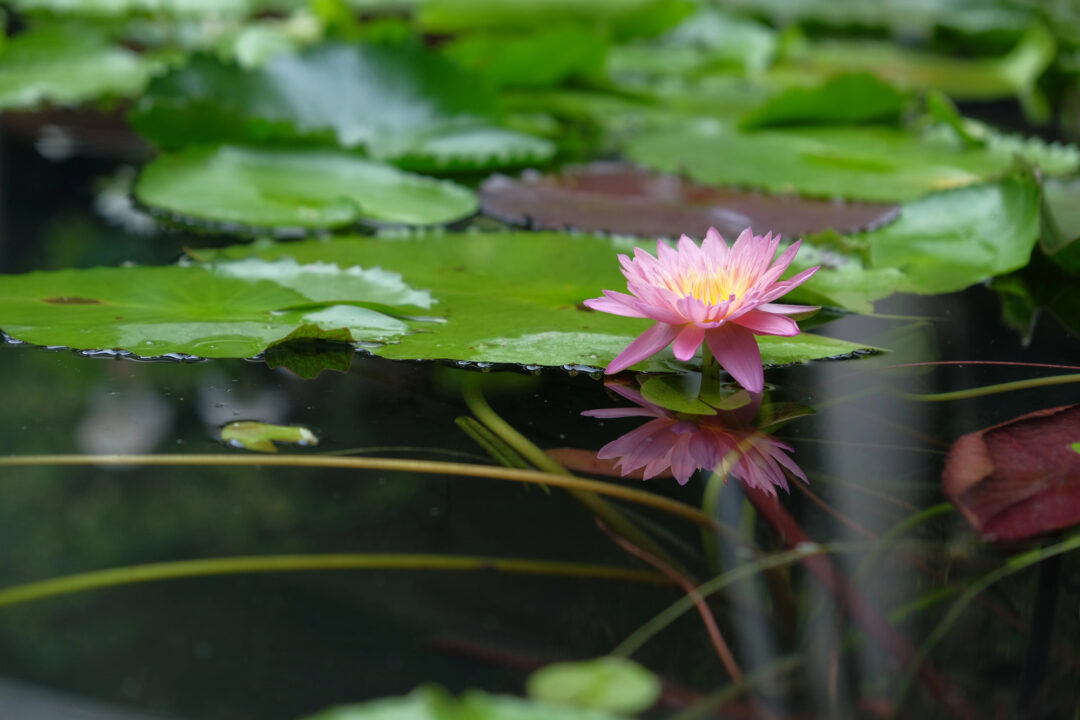
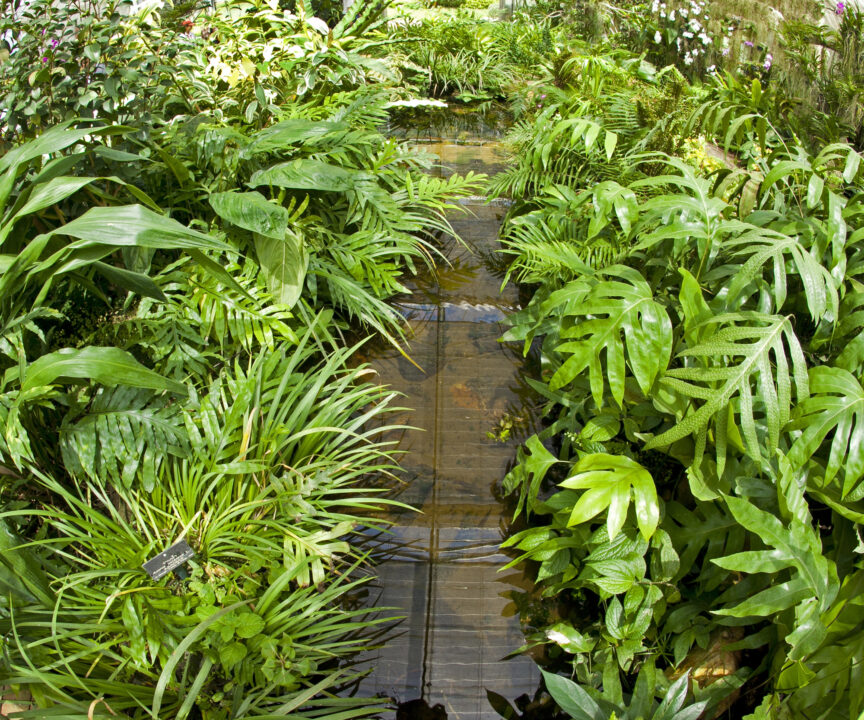
Another popular element within natural pool designs is the regeneration zone. This is a designated area of the pool where aquatic plants are located to mostly help with the filtration of the water, and also provide the “natural” aspect of the pool. This is what purifies the water without using chemicals. Just like in any other non man made pond/lake, there are plants, wildlife, and small microbes which have a self cleaning ecosystem. When a natural pool is in a healthy state, it attracts wildlife – which is another benefit to owning the pool. Different insects and animals like dragonflies, frogs, and bees will be attracted towards the water. All of these aspects create a beautiful landscape that will make you feel more connected to nature right at your own home. The regeneration zone can either be visible and right next to the swimming part of your pool, it can be located nearby, or underground. As long as it is all connected, it will function properly.
What Is a Plunge Pool?
When exploring options, many homeowners ask, “what is a plunge pool?” A plunge pool is a smaller, compact pool designed primarily for relaxation rather than swimming laps. These pools are typically deeper than they are wide and are perfect for cooling off, soaking, or even hydrotherapy. Plunge pools are especially popular in urban or space-limited areas like North Park or Hillcrest, where backyard space may be limited but the desire for a luxurious outdoor feature remains high.
What makes plunge pools particularly appealing is their versatility. They can easily be adapted into a natural swimming pool design by incorporating plant filtration systems and natural materials. This allows homeowners to enjoy the benefits of a natural pool without needing a large footprint. Additionally, plunge pools tend to be more cost-effective and easier to maintain, making them a great entry point for those interested in sustainable pool options.
Natural Swimming Pools in San Diego Living
San Diego’s climate makes it one of the best locations to invest in a natural swimming pool. With year-round sunshine and an emphasis on outdoor living, homeowners in areas like Del Mar and Rancho Santa Fe are increasingly opting for pools that reflect both luxury and environmental responsibility. Natural pools align perfectly with this lifestyle, offering a chemical-free alternative that supports both personal wellness and ecological balance.
In coastal regions, these pools can be designed to complement ocean views, using soft edges and organic shapes that mirror the natural coastline. Inland areas, on the other hand, may favor designs that incorporate desert-friendly plants and drought-resistant landscaping. This flexibility is one of the biggest advantages of natural pool designs, they can be tailored to fit the specific environment and aesthetic of any San Diego neighborhood.
Beyond aesthetics, natural pools contribute to a healthier lifestyle. Without exposure to chlorine or other harsh chemicals, swimmers often experience less skin irritation, improved respiratory comfort, and an overall more enjoyable swimming experience. For families, this can be a major benefit, especially for children or individuals with sensitive skin.
Is a Natural Pool Right for You?
While natural pools offer many advantages, it’s important to consider whether this style aligns with your lifestyle and expectations. They do require thoughtful design and proper installation to function effectively. Working with an experienced designer ensures that the balance between the swimming zone and regeneration zone is optimized for water clarity and usability.
For homeowners in San Diego, choosing a natural pool is not just about aesthetics, it’s about creating a space that supports relaxation, sustainability, and connection to nature. Whether you’re drawn to a fully immersive pond-like environment or a sleek, modern interpretation, a natural swimming pool can transform your outdoor space into a true sanctuary.